Latest Trends in Smart Garage Doors: What Homeowners Need to Know
Posted by on 2024-05-13
Connectivity and Integration: A look at how smart garage doors are connecting with home automation systems, allowing for seamless control alongside other smart home devices.
In the realm of home automation, the integration of smart technology has revolutionized the way we interact with our living spaces. A notable trend that has captured the attention of homeowners is the advent of smart garage doors, which have become an integral part of connected home ecosystems. These innovative garage doors are not merely about remote opening and closing; they represent a leap towards comprehensive home management systems where convenience, security, and energy efficiency coalesce.
The latest trends in smart garage door technology reflect a growing demand for connectivity and integration. Homeowners are seeking solutions that blend seamlessly with their existing smart home devices, creating a unified network that can be controlled with ease. This desire for interconnectedness is leading to garage doors equipped with advanced features that work in harmony with other smart devices.
One significant development is the compatibility of smart garage doors with popular virtual assistants such as Amazon Alexa, Google Assistant, and Apple's Siri. This allows users to operate their garage doors using voice commands—a feature that epitomizes hands-free convenience. Imagine driving up to your house and simply speaking a command to open your garage door without fumbling for remotes or smartphones.
Moreover, these cutting-edge garage doors can be integrated into wider security systems. They often include cameras and sensors that monitor when the door opens or closes, sending real-time alerts to homeowners' phones or tablets. This level of surveillance provides peace of mind by enhancing security measures around one's abode.
Another aspect where modern smart garage doors shine is energy efficiency. Some models come equipped with thermal seals and insulation technologies designed to maintain temperature control in the garage area. This not only helps in reducing heating costs during colder months but also plays a role in preventing heat from escaping adjacent living spaces through the garage.
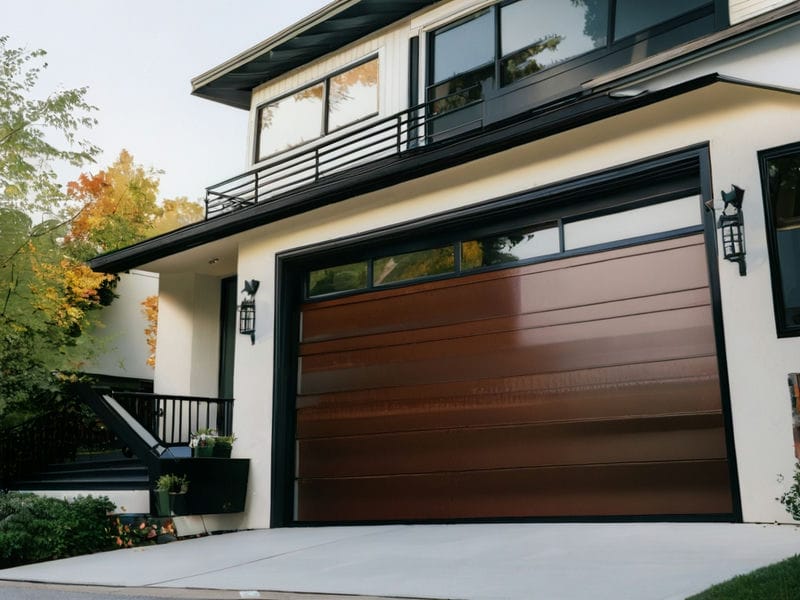
Integration doesn't stop at functionality—it also extends to design aesthetics. Smart garage doors are increasingly customizable with various materials, finishes, and styles available to complement any home façade while still boasting high-tech features within.
For those environmentally conscious homeowners among us, some smart garage door models are even tapping into renewable energy sources. Solar-powered options present an eco-friendly alternative that aligns well with sustainability goals without compromising on performance or connectivity features.
In conclusion, as we move forward into an era where our homes are becoming more intelligent than ever before—with every light bulb potentially connecting to our Wi-Fi—smart garage doors stand out as pivotal components in this domestic symphony of innovation. By embracing these latest trends in connectivity and integration within our garages, we not only enhance our own daily lives but also step closer towards futuristic homes where every device works together for greater comfort, safety, and efficiency.
Enhanced Security Features: Examination of the latest security enhancements, such as real-time alerts, remote access, and improved encryption methods that keep homeowners' garages safe.
In the dynamic realm of home automation, smart garage doors have emerged as a pivotal feature for modern homeowners who prioritize convenience and security. With the advent of enhanced security features, these intelligent portals have transformed from simple remote-controlled entryways into sophisticated guardians of our homes. Let's delve into some of the latest trends in smart garage door technology that homeowners need to be aware of.
Real-time alerts are at the forefront of this technological evolution. Smart garage doors can now connect to your home Wi-Fi network and send instant notifications to your smartphone or another device whenever there is any activity. Whether it's an open or close movement, or an unexpected obstruction during operation, you're immediately informed. This means that even when you're miles away, you remain in control and vigilant regarding the safety and status of your garage door.
Remote access has taken convenience to new heights. Today's smart garage doors can be operated from anywhere in the world through mobile applications. If you've ever driven off wondering if you remembered to close the garage door, those days are over. With just a tap on your screen, you can check the status and make adjustments as needed—granting peace of mind alongside unparalleled accessibility.
Improved encryption methods have addressed one critical aspect that always concerns homeowners: security against hacking attempts. The latest smart garage doors come equipped with advanced encryption standards such as rolling code technology which generates a new code with each use, making it nearly impossible for unauthorized individuals to gain access by decoding your remote signal.
Furthermore, integration with other smart home devices through platforms like Apple HomeKit or Google Assistant offers additional layers of functionality and security. For instance, setting up automated scenes where lights turn on when your garage opens during nighttime adds both comfort and deters potential intruders.
Biometric authentication is another trend gaining traction in high-end models—employing fingerprint scanners or facial recognition software for an extra layer of personalized security before granting access.
Lastly, backup battery systems ensure that even in power outages—a common vulnerability moment—your smart garage door remains operational. This kind of foresight ensures that not only are inconveniences minimized but also potential gaps in security coverage.
In conclusion, as we embrace these cutting-edge enhancements in smart garage door technology—from real-time alerts to improved encryption methods—the modern homeowner is offered unprecedented levels of convenience and safety. The traditional notion of what constitutes a secure home is being redefined right before our eyes; thus it becomes essential for anyone looking to keep their residence safe while harnessing technological advances to stay informed about these evolving trends in smart home equipment.
User-Friendly Access Options: Discussion on new ways to control smart garage doors, including voice commands, smartphone apps, biometrics, and geofencing technology.
The realm of smart home technology is constantly evolving, offering homeowners innovative ways to enhance the convenience and security of their living spaces. Among these advancements, smart garage doors have emerged as a focal point for those looking to streamline their daily routines. As we delve into the latest trends in smart garage door technology, it's crucial for homeowners to understand the various user-friendly access options now available.
Voice Commands: The Power of Speech
One of the most intuitive control methods that have gained popularity is voice command functionality. With the integration of virtual assistants like Amazon Alexa, Google Assistant, and Apple’s Siri, users can now open or close their garage doors with simple spoken directives. This hands-free approach not only adds convenience but also accessibility for individuals with mobility challenges.
Smartphone Apps: Control at Your Fingertips
Smartphone apps remain a central pillar in managing smart garage doors. These applications enable homeowners to remotely monitor and control their garage doors from virtually anywhere. Whether you're lying in bed or halfway around the world on vacation, a few taps on your phone let you check if you've secured your garage and even provide temporary access to visitors such as delivery personnel or family members.
Biometrics: A Personal Touch
Biometric technology is another cutting-edge development making its way into smart garage door systems. By using unique physical characteristics such as fingerprints or facial recognition, biometric scanners offer unparalleled security by ensuring that only authorized individuals can operate the door. This personalized access method mitigates concerns about lost remote controls or compromised pin codes.
Geofencing Technology: Automated Convenience
Lastly, geofencing stands out as a remarkable innovation in this space. Geofencing uses GPS or RFID technologies to create a virtual boundary around your home; when your smartphone enters or leaves this area, it triggers pre-set actions like opening or closing your garage door automatically. For instance, as you approach your driveway after work, your smart garage could welcome you by opening just in time for your arrival—no input necessary.
These user-friendly access options demonstrate how smart technology continues to redefine our interactions with everyday fixtures like garage doors—transforming them from mere entry points into sophisticated components of our connected homes. As we embrace these new capabilities, homeowners must stay informed about installation requirements, compatibility issues with existing systems, and potential privacy implications associated with data collection by smart devices.
With an eye towards these developments and considerations at hand, embracing this wave of innovation promises an enhanced level of comfort and peace of mind for savvy homeowners eager to advance into a more convenient and secure future.
Energy Efficiency Improvements: Insights into how modern smart garage doors contribute to energy conservation through better insulation materials and intelligent opening mechanisms that minimize heat loss.
In the realm of home automation and energy conservation, smart garage doors have emerged as an unsung hero. These modern marvels offer homeowners not only convenience but also significant energy efficiency improvements that contribute to a more sustainable household. As we delve into the latest trends in smart garage doors, it's important to recognize how they are revolutionizing our approach to energy conservation through innovative insulation materials and intelligent opening mechanisms.
Firstly, modern smart garage doors are often equipped with superior insulation materials compared to their traditional counterparts. The use of high R-value insulation — which measures a material's ability to resist heat flow — is becoming increasingly common. Materials such as polyurethane or polystyrene foam are integrated into the door panels, providing a robust barrier against external temperatures. This type of insulation helps maintain a consistent temperature within the garage, thus reducing the energy required for heating or cooling connected spaces in the home.
Beyond just the materials used, smart garage doors incorporate design features like thermal breaks and weather seals that further prevent heat loss and drafts. Thermal breaks interrupt the conductive path for heat flow through metal components while weather seals around edges keep out wind and moisture. These features work in tandem with quality insulation to create an effective envelope that minimizes energy wastage.
Intelligent opening mechanisms represent another leap forward for energy efficiency in smart garage doors. Traditional garage doors can be left open accidentally, leading to unnecessary heat loss or gain depending on the season. Smart garage door openers eliminate this issue with features such as automatic closing functions. Through integration with home automation systems or via smartphone apps, these doors can be programmed to close after a certain period of time or when the homeowner leaves a specific geographic area known as geofencing.
Moreover, some advanced systems even include sensors that monitor ambient temperatures; if a significant drop or increase is detected due to an open door, it can trigger an automatic closure response. This ensures that your climate-controlled air remains inside where it belongs, rather than escaping into the great outdoors.
Further enhancing their green credentials, many smart garage door systems optimize their own energy use by employing low-power modes when idle and using efficient LED lighting instead of traditional bulbs for those times you need visibility at night without wasting electricity.
In conclusion, when examining the latest trends in smart garage doors from an energy conservation perspective, it's clear they offer more than just convenience—they provide tangible improvements toward household sustainability efforts. Through cutting-edge insulation materials and intelligent operating mechanisms designed to minimize heat loss and maximize efficiency automatically, today's smart garage doors play a crucial role in helping eco-conscious homeowners reduce their carbon footprint one automated close at a time.
DIY Versus Professional Installation: Considerations for homeowners on whether to install these high-tech doors themselves or hire professionals, highlighting the importance of proper installation for safety and functionality.
In the ever-evolving world of home automation, smart garage doors have become a significant trend for homeowners seeking convenience, security, and integration with their smart home ecosystems. As you consider updating your garage with these high-tech advancements, an important decision looms: should you embrace a DIY approach or opt for professional installation?
DIY vs. Professional Installation: Considerations for Homeowners
Before making a choice between rolling up your sleeves or calling in the experts, it's essential to weigh several factors:
1. Technical Skill and Experience:
Installing a smart garage door isn't just about following instructions; it involves electrical work, programming skills, and an understanding of safety protocols. If you're technically inclined and have previously tackled similar projects successfully, DIY might be within reach. However, if this realm is foreign to you, professional installation could save time and reduce risk.
2. Tools and Equipment:
Professional installers come equipped with the right tools for the job—tools that may not be readily available in an average homeowner's toolkit. Attempting DIY without proper equipment can lead to subpar installation or even injury.
3. Time Commitment:
Time is valuable. Installing a smart garage door can consume considerable hours—a luxury many busy homeowners don't have. Professionals can complete the task efficiently due to their experience.
4. Warranty and Support:
DIY installations might void warranties offered by manufacturers. On the other hand, professional installers often provide guarantees on their workmanship in addition to preserving manufacturer warranties.
5. Safety Concerns:
Garage doors are heavy and operate under high tension with springs that can cause serious injury if mishandled. Professionals are trained to manage these risks effectively.
6. Long-Term Functionality:
Properly installed smart garage doors offer more than just remote access—they integrate with home security systems, feature obstacle detection sensors, and provide usage logs among other functionalities. A flawed installation could compromise these features.
7 Importance of Proper Installation:
An improperly installed garage door doesn't just risk malfunction—it poses a security threat as well as potential harm due to falling doors or failing mechanisms.
The Verdict:
While there is satisfaction in completing a project yourself—and possibly saving on labor costs—the stakes are undeniably high when it comes to installing smart garage doors correctly.
Home automation technologies like these are designed not only for convenience but also for enhanced safety and efficiency within our living spaces; thus proper installation is paramount.
For those who possess substantial DIY experience and confidence in their abilities—alongside awareness of all associated risks—tackling this project might be rewarding.
However, given the complexity of modern smart systems combined with safety concerns surrounding garage door installations generally speaking most would find greater peace-of-mind entrusting such tasks into capable hands professionals whose daily trade revolves around ensuring seamless functionality alongside stringent adherence towards safety standards far outweighs any potential savings derived from self-installation endeavors ultimately securing long-term benefits through expert craftsmanship which cannot easily be replicated without specialized knowledge training tools at disposal therefore tipping scales favor opting experienced service providers when considering upgrading household amenities particularly those entailing complicated technological components such as contemporary intelligent garaging solutions
In conclusion choosing between do-it-yourself route versus hiring seasoned specialists hinges upon multitude variables each homeowner must carefully assess based upon individual competencies resource availability personal preferences before proceeding toward outfitting residence cutting-edge conveniences offered today’s market always keeping forefront importance secure functioning fixtures safeguard occupants property alike
Cost-Benefit Analysis: A breakdown of the initial costs versus long-term savings associated with investing in a smart garage door system.
When considering the latest trends in smart garage doors, homeowners are increasingly attracted to the convenience, security, and efficiency these modern marvels offer. As with any home improvement decision, it's essential to perform a cost-benefit analysis to determine whether investing in a smart garage door system is financially prudent in the long run. Herein lies a breakdown of the initial costs versus long-term savings associated with this investment.
**Initial Costs:**
The upfront expense of a smart garage door includes several components:
1. **Purchase Price:** Smart garage doors come with various features such as built-in Wi-Fi, backup batteries, and enhanced security measures. Depending on their sophistication level, they can range from a few hundred to over a thousand dollars.
2. **Installation:** Professional installation is recommended for smart garage doors to ensure they function correctly and safely. Installation costs can vary widely depending on location and complexity.
3. **Accessories:** Additional accessories may include external keypads, mobile app subscriptions for advanced features (if not free), or integration modules for existing home automation systems.
4. **Maintenance:** While similar to traditional garage doors in maintenance requirements, potential updates or troubleshooting for software-related issues should be considered part of the maintenance cost.
**Long-Term Savings:**
Despite these initial outlays, there are several areas where homeowners can expect savings over time:
1. **Energy Efficiency:** Some smart garage doors offer better insulation than their conventional counterparts leading to energy savings by helping maintain temperature control within the connected home environment.
2. **Home Insurance Discounts:** Due to their advanced security features that deter theft and property damage incidents, some insurance companies offer discounts on premiums for homes equipped with smart garage technologies.
3. **Resale Value Increase:** A modernized home featuring smart devices can attract more buyers and potentially increase the resale value of one’s property.
4. **Reduced Maintenance Costs:** Smart technology often includes diagnostics that alert homeowners about necessary maintenance before major problems arise – this proactive approach can result in lower repair costs over time.
5. **Convenience Factors**: Although not strictly monetary savings, factors like saving time through remote access and monitoring capabilities translate into an efficient lifestyle which arguably adds up economically in terms of opportunity cost; each minute saved is one more minute available for productive activities.
In conclusion, a comprehensive cost-benefit analysis reveals that while there are substantial initial expenditures involved when installing a smart garage door system, there are significant long-term benefits that could justify the investment for many homeowners. The balance between upfront costs against future savings hinges largely upon individual preferences towards comfort levels offered by high-tech conveniences versus financial prudence grounded in current economic circumstances. Nevertheless, as technology continues to advance and prices become more competitive due to market saturation – investing in intelligent upgrades such as a smart garage door seems increasingly viable both as a lifestyle enhancement and as an economic asset within one’s real estate portfolio.
Future Developments: Speculation on what future innovations may emerge in the realm of smart garage doors, including potential integration with electric vehicles and solar power compatibility.
As we peer into the horizon of home automation, smart garage doors stand at the cusp of a revolution that promises to redefine their role in our daily lives. Homeowners seeking convenience, security, and energy efficiency are already embracing the latest trends in smart garage door technology. But what do future developments hold for this integral part of the modern smart home ecosystem?
One area ripe for innovation is the integration of smart garage doors with electric vehicles (EVs). As EVs become more prevalent, we can anticipate a seamless connection between these vehicles and our homes. Imagine a scenario where an EV communicates with your smart garage door as you approach, prompting it to open automatically upon your arrival. The synergy could extend further; once parked inside, the vehicle could wirelessly connect to your home's energy management system. This would allow not only for convenient charging but also for smarter power allocation based on peak hours and utility rates.
But the relationship between EVs and smart garage doors may go beyond mere convenience—there could be an exchange of energy as well. Vehicle-to-Grid (V2G) technology enables electric cars to store excess energy and feed it back into the grid or use it during peak demand times at home. In this symbiotic ecosystem, your smart garage door becomes a gateway that helps manage and optimize household energy usage by communicating with your EV's charging system.
Another exciting frontier is solar power compatibility. With increasing awareness around sustainable living, homeowners are looking at ways to reduce their carbon footprint while saving on electricity bills through solar panels installed on their roofs or garages. Future iterations of smart garage doors might come equipped with built-in photovoltaic cells or be designed to integrate seamlessly with existing solar panel systems.
This integration could lead to intelligent energy management whereby surplus solar power generated during daylight hours is stored in battery systems connected to the garage door apparatus. On days when sunlight is scarce or during nighttime hours, this stored energy could be utilized to operate not only the garage door but other linked devices within the home automation network.
Moreover, advancements in materials science could see future smart garage doors being constructed from new composite materials that are lighter yet more durable than current models. These materials might possess better insulation properties too—keeping garages warmer in winter and cooler in summer—which would result in additional energy savings.
In terms of user interface and control mechanisms, future developments will likely offer even greater levels of customization and intelligence; from predictive maintenance alerts based on usage patterns to adaptive security measures evolving based on neighborhood data analytics.
The potential also exists for enhanced safety features using sophisticated sensors that detect obstacles or unauthorized entries more accurately than ever before. Coupled with advanced machine learning algorithms, these systems will not only prevent accidents but also learn from daily routines improving both functionality and user experience over time.
Lastly, as voice assistants grow increasingly ubiquitous and AI becomes more nuanced in understanding context and nuance, voice commands for operating smart garage doors will become far more sophisticated allowing homeowners natural language interaction akin to speaking with another person rather than issuing rote commands.
To conclude, while current trends point towards increased connectivity and smarter controls within our homes' entry points—the future holds promise for deeper integration between clean transportation options like electric vehicles—and renewable energy sources such as solar power—all orchestrated via intelligent platforms that prioritize both convenience and sustainability within our rapidly evolving domestic landscapes.