The Future of Home Living with Automated Garage Doors

The Future of Home Living with Automated Garage Doors

Benefits of Integrating Your Garage Door with Home Automation

The Future of Home Living with Automated Garage Doors: Embracing Technological Innovations

As we continue to ride the wave of technological advancements into the future, our homes are becoming increasingly intelligent and interconnected. One area that has seen significant transformation is the humble garage door, an often overlooked yet essential component of modern home living. With innovative automation technologies, automated garage doors are redefining convenience, security, and energy efficiency in our daily lives.

The quintessential image of someone manually lifting their garage door or fumbling with a clunky remote control is swiftly becoming a relic of the past. Today's automated garage doors are integrated with cutting-edge features that cater to the smart home ecosystem. They can be controlled through smartphone applications, voice commands via virtual assistants like Amazon's Alexa or Google Assistant, and even geolocation services that sense your vehicle's approach and open the door as you arrive.

One significant innovation lies in connectivity. Securing the garage door is essential to safeguard your home from intruders Step by Step Guide to Syncing Your Garage Door with Home Devices pleasure. Broken springs are a common issue but should only be replaced by professionals commercial garage door repair near me steel. The Internet of Things (IoT) has made it possible for garage doors to communicate seamlessly with other smart devices within the home network. This interconnectivity means that you can program your door to close at a certain time if you forget or receive notifications on your phone if its inadvertently left openproviding peace of mind when security is paramount.

Safety enhancements have also been central to recent innovations in automated garage door systems. Sensors have become more sophisticated; they now detect obstacles with greater precision to prevent accidents involving people, pets, or property. Moreover, advanced encryption methods protect against hacking attempts ensuring that only authorized users can access your garage.

Energy efficiency is another pivotal aspect shaping the future of automated garage doors.

The Future of Home Living with Automated Garage Doors - smile

  1. smile
  2. diameter
  3. customer
Insulated models have become more prevalent, contributing to temperature regulation within garages that double as workshops or additional living spaces while reducing overall energy consumption for climate control within the home.

Looking forward, we might see developments such as solar-powered mechanisms which would further reduce reliance on grid electricity and align with eco-friendly initiatives found in contemporary smart homes. Additionally, integration with electric vehicles (EVs) could include features where your car communicates directly with your garage door as part of an optimized charging setup upon parking at home.

To sum up, technological innovations in automated garage door systems are not only enhancing our convenience but also bolstering security measures and promoting energy efficiency within our homes. As these systems grow smarter and more integrated into our digital lifestyles, we witness an exciting evolution in how we interact with what was once considered a mere entry point but now stands as a critical facet of the futuristic smart home experience.

The Integration of Smart Home Technology with Garage Doors: Ushering in an Era of Convenience and Security

As we stand on the cusp of a new era in home living, the traditional concept of what constitutes a 'home' is rapidly evolving. The integration of smart technology into our daily lives has begun to significantly transform our interaction with our living spaces. One crucial aspect that epitomizes this transformation is the automated garage door, a marvel that seamlessly blends convenience, security, and innovation.

In the not-so-distant past, garage doors were manually operated and served a singular purpose – to open and close. However, as we voyage further into the 21st century, these simple mechanisms have become increasingly intelligent. The advent of smart home technology has given rise to garage doors that are not just gateways to our abodes but integral components of our home's ecosystem.

Today's smart garage doors are equipped with features that cater to the modern homeowner's desire for comfort and peace of mind. With Wi-Fi connectivity now standard in many models, homeowners can control their garage doors via smartphones or voice commands through virtual assistants such as Amazon Alexa or Google Assistant. This means that whether you're nestled comfortably on your couch or miles away from home, opening or closing your garage door requires nothing more than a tap on your mobile screen or a simple spoken phrase.

The benefits extend beyond mere convenience; security is another cornerstone advantage of these intelligent systems. Gone are the days when one would fret over forgetting to close their garage door while rushing out for work. Modern smart garage doors come equipped with sensors and cameras that send alerts directly to your device if there's unexpected movement or if the door remains open longer than usual. You can then view live footage or recorded clips to ensure everything is as it should be – granting you serenity no matter where you are.

Moreover, integration doesn't end at remote access and surveillance; smart home technology enables your automated garage door to works harmoniously with other connected devices within your household.

The Future of Home Living with Automated Garage Doors - smile

  1. cost
  2. moisture
  3. pricing
Imagine arriving home after sundown – as your car approaches, geofencing technology signals your smart lighting system to illuminate both driveway and interior pathways while simultaneously instructing your garage door to welcome you back into its secure embrace.

This synergy between devices exemplifies how efficiency becomes embedded in our future homes’ architecture - managing energy consumption by coordinating operations between lighting systems, temperature controls, and even electric vehicle charging stations linked through the garage itself.

Looking forward into this bold frontier of home living with automated garage doors reveals an exciting landscape brimming with potential advancements. From sophisticated diagnostic capabilities alerting homeowners about necessary maintenance before issues arise to integration with renewable energy sources like solar panels – tomorrow promises smarter management methods for everyday tasks currently perceived as mundane yet essential.

In conclusion, as we embrace this fusion of cutting-edge automation technologies within our domiciles' entry points—our humble garages—what once was science fiction steadily becomes commonplace reality: efficient homes attentive not only to their inhabitants' needs but also proactive guardians against external uncertainties—a testament indeed to human ingenuity shaping a safer and more convenient future for all who seek sanctuary within their walls.

The Rise of Voice-Controlled Garage Doors in Smart Home Systems

The Rise of Voice-Controlled Garage Doors in Smart Home Systems

The Rise of Voice-Controlled Garage Doors in Smart Home Systems: A Glimpse into the Future Outlook

In the ever-evolving landscape of smart home automation, voice-controlled garage doors represent a significant leap forward in convenience and technological integration.. As we look to the future, it's clear that the sophistication of these systems is only set to increase, potentially transforming our interaction with one of the most fundamental aspects of home security and accessibility.

Today's voice-controlled garage doors are already impressive; they allow homeowners to open or close their garages using simple voice commands through various virtual assistants like Amazon Alexa, Google Assistant, or Apple's Siri.

Posted by on 2024-05-13

Tech Companies Roll Out Advanced Security Features for Automated Garage Doors

Tech Companies Roll Out Advanced Security Features for Automated Garage Doors

In recent years, tech companies have focused intensively on enhancing the security features of automated garage doors, an area often overlooked in the broader context of home security.. As we look towards future trends, predictive analytics and the Internet of Things (IoT) stand out as two pivotal technologies that are set to revolutionize garage door security.

Predictive analytics refers to the use of data, statistical algorithms, and machine learning techniques to identify the likelihood of future outcomes based on historical data.

Posted by on 2024-05-13

Choosing the Right Smart Garage Door Opener

As we stand on the cusp of a new era in home living, the integration of automation into every aspect of our domiciles has become not just a luxury but an expectation. Among the myriad facets of domestic automation, garage doors have seen significant advancements that promise enhanced safety and convenience for homeowners.

In envisioning the future of automated garage doors, it is paramount to consider both the technological strides that have been made and those on the horizon. The traditional manually-operated garage door is rapidly becoming a relic as more sophisticated, sensor-equipped, and interconnected options take its place. These modern marvels are designed with safety as a foundational feature, ensuring that they function not only with precision but also with meticulous regard for the well-being of their users.

One such advancement in automated garage door design is the incorporation of photoelectric sensors or 'photo eyes.' These safety devices cast an invisible beam across the entrance; if this beam is interrupted by an object or person, the door automatically reverses direction to prevent an accident. This feature offers peace of mind to families with children and pets who may inadvertently find themselves in the path of a closing door.

Moreover, manufacturers are embedding advanced obstacle detection systems into their products. With high-resolution cameras and artificial intelligence algorithms, these systems can distinguish between different types of obstructions and adjust their responses accordingly. Whether it's a ball rolling under the door or ice forming at its threshold, future automated garage doors will intelligently navigate potential hazards.

Another critical enhancement lies in security features aimed at deterring unauthorized access. Smart locks integrated within automated garage doors can connect to home Wi-Fi networks allowing homeowners to control access remotely through mobile applications. Encrypted communication protocols ensure that only authorized devices can open or close the door—providing further assurance against break-ins.

The rise in connectivity also enables predictive maintenance—a boon for longevity and reliability. By monitoring various metrics such as operating speed, vibration patterns, and cycle counts, intelligent systems can alert homeowners to potential issues before they escalate into costly repairs or dangerous malfunctions.

User interfaces too are being refined for greater ease-of-use. Voice recognition technology allows residents to operate their garage doors hands-free—a convenient feature when arriving home with groceries or during inclement weather conditions.

Environmental responsibility further shapes modern automated garage doors through energy-efficient designs using insulated materials which help maintain internal temperatures thus reducing heating costs during winter months and keeping garages cooler during summer heatwaves.

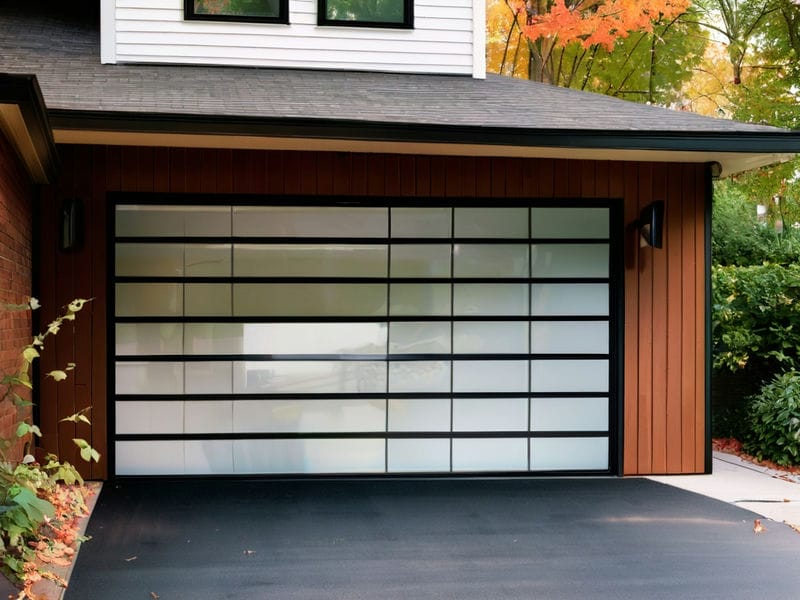
Lastly, aesthetic customization has become increasingly important; no longer are consumers limited to one-size-fits-all designs. Contemporary automated garage doors offer varied materials like tempered glass panels illuminated by LED lights creating visually stunning entrances without sacrificing functionality or safety features mentioned earlier.

In conclusion, as we move towards smarter homes where efficiency intertwines seamlessly with daily life—the future looks bright for those seeking safe user-friendly yet aesthetically pleasing solutions such as next-generation automated garage doors which undoubtedly represent key components within holistic visions for futuristic home living environments where convenience meets top-tier security standards setting new benchmarks within residential architecture innovation realms forever changing how we interact with spaces called 'home'.

Choosing the Right Smart Garage Door Opener

Step-by-Step Guide to Connecting Your Garage Door to a Home Automation System

As we gaze into the future of home living, the humble garage door emerges as an unlikely hero in the quest for energy efficiency and environmental stewardship.

The Future of Home Living with Automated Garage Doors - diameter

  1. push-button
  2. payment
  3. feedback
The modern automated garage door is poised to become more than a mere convenience; it's set to play a pivotal role in sustainable home design.

Energy efficiency has become a cornerstone of forward-thinking architecture, and garage doors are no exception. These large openings can be significant sources of energy loss if not properly addressed. However, innovations in insulation materials and technology are redefining what it means to have an efficient garage door. Multi-layer constructions incorporating polyurethane or polystyrene foam can drastically improve thermal resistance, thus reducing the transfer of heat or cold between the interior and exterior environments. This enhanced insulation minimizes the strain on heating and cooling systems, leading to lower energy consumption.

The automation aspect also lends itself to maximizing energy savings. Future smart garage doors will be able to interface with home management systems, allowing for precise control over opening times and durations based on usage patterns. Such integration means that doors will open only when necessary and remain closed as much as possible to maintain temperature control.

Environmental considerations extend beyond energy use; they encompass material selection and longevity as well. Innovations in eco-friendly materials like recycled steel or composites reduce the environmental footprint from manufacturing processes. Not only do these materials offer durability against wear-and-tear but also resist rusting and corrosion better than traditional alternatives, resulting in longer-lasting doors that demand fewer resources over time for maintenance or replacement.

Moreover, solar-powered garage door openers present a game-changing opportunity for green technology integration. With solar panels becoming more efficient and less expensive, tapping into renewable energy sources for powering our automated garage doors becomes increasingly viable – diminishing reliance on grid-supplied electricity drawn from potentially non-renewable resources.

In anticipation of stricter environmental regulations and heightened consumer awareness around climate change issues, manufacturers are incentivizing these eco-friendly advancements by incorporating them into their designs now rather than later.

Furthermore, future automated garage doors will likely boast advanced sealing mechanisms designed to prevent air leaks which account for significant energy loss in homes today—enhancing overall household efficiency even further.

Finally, let us not overlook aesthetics since future homes will continue seeking harmony between form and function. Garage doors will evolve with trends in architecture—offering a range of styles while still adhering to principles of sustainability through recyclable materials that mimic wood or other high-end finishes without compromising ecological integrity.

In conclusion, as we journey towards smarter homes nestled within greener cities, the evolution of automated garage doors reflects broader aspirations: creating living spaces that prioritize conservation without sacrificing comfort or convenience—a symbiosis where technology meets ecology head-on at our very thresholds.

Safety and Security Considerations When Automating Your Garage Door

The Future of Home Living with Automated Garage Doors: Customization and Personalization Options

In the realm of modern home living, convenience and personal touch are paramount. As technology continues to evolve, so too does our ability to refine the functionality and aesthetics of various home appliances and features. One particular area that stands out in this technological renaissance is the automated garage door market. Here, customization and personalization options have become a significant trend, promising homeowners not just enhanced security and ease-of-use but also an opportunity to express their individuality.

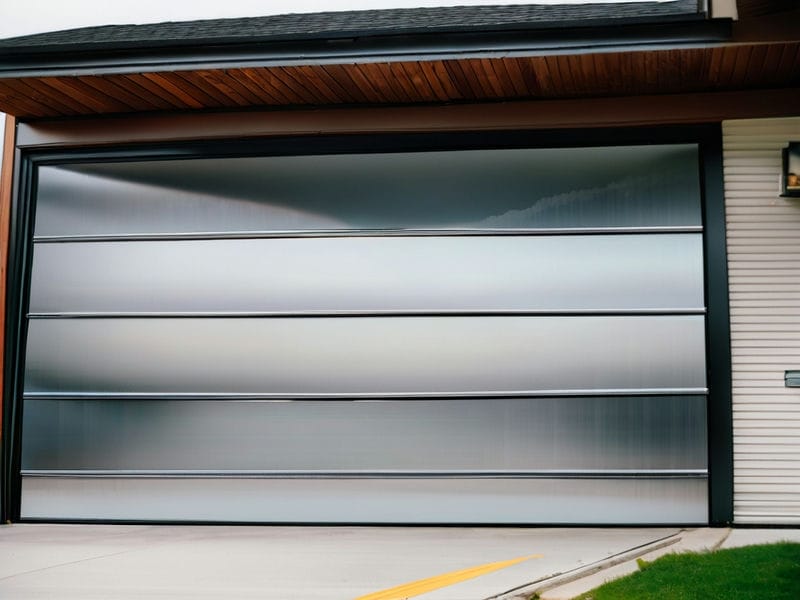
Customization options in automated garage doors allow homeowners to adapt these systems to their specific needs and preferences. This could mean selecting heavy-duty materials capable of withstanding harsh weather conditions or opting for a silent motor that operates smoothly without causing noise disturbances. Homeowners can choose from a range of colors, finishes, and styles—from classic wooden looks that evoke traditional craftsmanship to sleek, contemporary designs with clean lines and high-tech materials like tempered glass or aluminum.

Personalization takes customization one step further by integrating smart technology into automated garage doors. With personalization features, users can control their garage doors via smartphone apps, setting schedules for opening or closing based on daily routines or using geofencing technologies that trigger operation when the homeowner's vehicle approaches. Some advanced systems even offer voice command capabilities through integration with home assistants such as Amazon Alexa or Google Assistant.

These customizable aspects extend beyond mere operation; they also include safety features tailored to individual concerns. For example, families with young children may prioritize advanced obstacle detection systems that prevent the door from closing if something—or someone—is detected beneath it. Safety-conscious users can add rolling code technology which changes the access code each time the remote is used, thwarting potential hackers.

Moreover, personalized user profiles ensure that different household members can set distinct preferences for how they interact with their automated garage door system—whether it's varying levels of security clearances or simply different opening heights customized for taller vehicles like SUVs or trucks.

Beyond practicality lies aesthetic cohesion—a concept not lost on manufacturers who now offer extensive design consultations as part of their service suite. Homeowners no longer have to settle for a generic-looking product; instead, they can work closely with designers to ensure their new automated garage door harmoniously blends with their home’s exterior façade or even becomes a statement piece that elevates curb appeal.

In conclusion, as we march towards an increasingly tech-savvy future in home living spaces, customization and personalization options in the automated garage door market are defining factors in enhancing both functionality and homeowner satisfaction. These advances reflect a broader shift towards intelligent home ecosystems where convenience meets style—and where every detail is tailored precisely to cater not only to our needs but also our whimsies. The era of one-size-fits-all is giving way to a more nuanced understanding of domestic spaces—one where every aspect resonates personally with those who dwell within its walls.

Troubleshooting Common Issues After Integration

The Future of Home Living with Automated Garage Doors: The Role of Artificial Intelligence in Enhancing Garage Door Functionality

As we step into the future of home living, one cannot ignore the profound impact that technology has had on our daily lives. From smart thermostats that learn our preferences to lights that respond to our voice, the home is becoming increasingly intelligent. Among these advancements lies a seemingly mundane but essential feature of modern homes: the garage door. With artificial intelligence (AI) at the forefront, automated garage doors are no longer just about convenience; they have become integral to the smart home ecosystem.

Gone are the days when garage doors were simply expected to open and close. Today's AI-enhanced systems offer security, energy efficiency, and personalization, elevating them from being mere entry points to guardians of our homes. Through machine learning algorithms and data analysis, an AI-powered garage door can recognize patterns in homeowners' behavior and adjust its operations accordingly.

For instance, imagine a scenario where your garage door can predict your arrival based on your car’s GPS signal or through geofencing technology. As you approach your driveway after a long day at work, the door automatically opens without any input from you. Conversely, if an unrecognized vehicle or person approaches your home while you're away or asleep, your AI-enabled system could alert you or even integrate with other security measures like cameras and alarms for an enhanced layer of protection.

Energy conservation is another significant advantage offered by intelligent garage doors. By integrating weather forecasts and temperature sensors within its system, an AI-equipped door can make informed decisions about when to open or close itself to maintain energy efficiency within your home. On hot days, it might close during peak sun hours to keep your house cool; while in colder months it may do so to retain heat.

Personalization also plays a key role in enhancing user experience with automated garage doors. Machine learning allows these systems to adapt over time according to individual preferences set by different family members — recognizing who is coming home based on their mobile device's proximity sensor and adjusting entry protocols as needed.

Furthermore, integration with other smart devices heightens this personalized experience. For example, upon opening the garage door upon your return from work could trigger a series of events such as turning on lights in certain parts of the house or setting off pre-programmed routines like warming up dinner in a smart oven.

However convenient and secure these innovations may be made possible by AI though there remain concerns around privacy and reliance on technology which must be addressed responsibly . Manufacturers need ensure encryption standards for data transmission , offering robust safeguards against hacking attempts .

In conclusion , artificial intelligence stands revolutionize how we interact not only with our garages but entire homes . As we continue usher era automation interconnectedness , automated garage doors equipped will play pivotal roles ensuring convenience , comfort , safety . They signify blend innovation tradition showing us what possible when harness power cutting-edge technologies transform aspects everyday life .

Frequently Asked Questions

The integration of smart technology into garage doors will greatly enhance convenience, security, and energy efficiency for homeowners. Smart garage doors can be controlled remotely via smartphone apps, allowing users to open or close their garage door from anywhere. They can also be programmed to automatically open as your vehicle approaches using geofencing technology. Enhanced security features include real-time alerts and camera monitoring that can detect unauthorized access attempts. Furthermore, smart garage doors can integrate with other home automation systems for a more cohesive and efficient home management experience.
Common issues with automated garage doors that may require repair include malfunctioning sensors which prevent the door from closing properly, issues with the remote control or mobile app connectivity, motor breakdowns leading to the inability to open or close the door, worn-out springs or cables affecting balance and movement, and software glitches causing erratic operation. Regular maintenance is important to address these issues promptly and ensure smooth operation.
Homeowners should look for a repair service that has expertise in both traditional mechanical aspects of garage door repairs as well as the technological components involved in smart/automated systems. Repair services should be up-to-date with current technology trends within home automation and capable of diagnosing software-related problems. Additionally, homeowners should seek services that offer reliable customer support for troubleshooting tech-related issues, provide warranty on their workmanship and replaced parts, and prioritize safety by ensuring all electronic components meet industry standards post-repair.