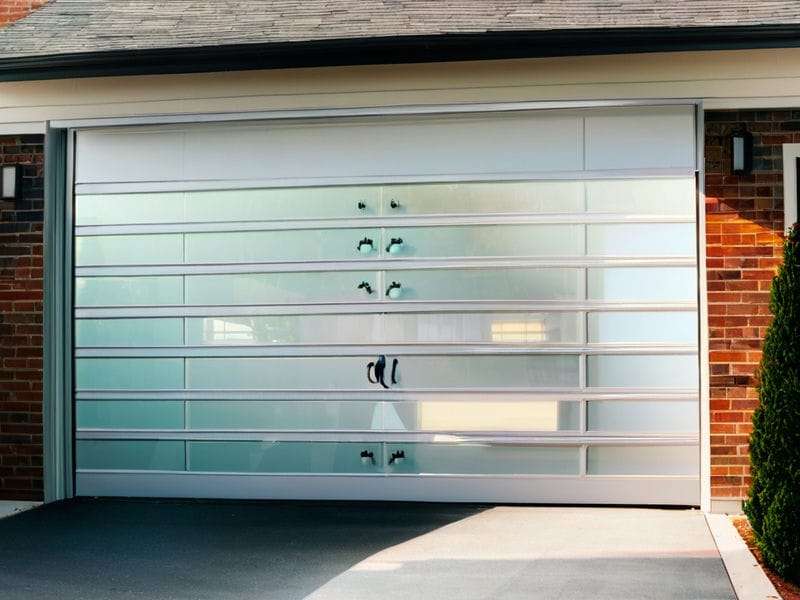
Smart Garage Doors: The New Frontier in Home Automation
Posted by on 2024-05-13
Overview of home automation evolution
The concept of home automation, once a futuristic dream depicted in science fiction, has evolved into an accessible reality for homeowners worldwide. The transformation from rudimentary systems to the sophisticated networks we see today is nothing short of remarkable. Alongside the proliferation of smart devices, one area that has seen significant advancement is the humble garage door—now a key player in the smart home ecosystem.
In its earliest days, home automation was limited to basic wired control systems that could manage simple tasks like turning lights on and off or adjusting thermostats. Garage doors were originally automated for convenience and security with manual push-button technology before progressing to remote-controlled access. These initial steps towards automation provided users with newfound ease and efficiency.
As technology advanced through the late 20th century, so did the capabilities of these systems. With the advent of wireless technologies and the Internet, home automation saw a significant leap forward. The integration of Wi-Fi-enabled devices allowed for centralized control via personal computers and eventually led to smartphone integration.
The introduction of smartphones catalyzed a major shift in home automation, particularly with garage doors. Mobile apps enabled homeowners to monitor and operate their garage doors remotely, providing both convenience and peace of mind. This connectivity also meant that garage doors could alert homeowners about unexpected movements or left-open doors directly on their mobile devices.
Today's smart garage doors represent a new frontier in home automation by integrating seamlessly into broader smart home networks. They employ cutting-edge technologies such as geofencing—which automatically opens or closes your garage door as you approach or leave your house—and compatibility with virtual assistants like Amazon Alexa or Google Assistant for voice-activated control.
Furthermore, modern smart garage door systems incorporate features such as scheduling (to open/close at set times), guest access (providing temporary codes for visitors), and even linking to other smart devices like cameras for enhanced security measures.
Smart garage doors now serve not just as entry points but also as vital components within interconnected ecosystems that work together to enhance energy efficiency, security, and lifestyle management—all manageable from our fingertips.
In conclusion, the evolution of home automation has been characterized by continuous innovation aimed at improving user convenience and safety. Smart garage doors epitomize this journey—from mechanical functionality to digital sophistication—ushering us into an era where our homes are more responsive than ever before to our needs and preferences. As we look ahead, it is clear that these advancements will continue pushing boundaries as part of an ever-smarter habitat designed around human-centric living.
The role of smart garage doors in modern homes
Smart Garage Doors: The New Frontier in Home Automation
In the fast-paced world of home automation, modern homeowners are constantly on the lookout for innovative ways to enhance convenience, security, and energy efficiency. One such innovation that has taken center stage is the smart garage door—an often-overlooked aspect of home technology that is rapidly becoming essential in modern homes.
The role of smart garage doors in contemporary residences extends far beyond mere functionality. They serve as a critical nexus point for security, accessibility, and integration with other smart home systems. As vehicles become more advanced and integrated into our digital lives, so too must the spaces we use to store and protect them.
Firstly, smart garage doors offer unparalleled convenience. Gone are the days when you had to manually open your garage door or worry about whether you left it open after driving away. With smart technology, you can control your garage door remotely from your smartphone or tablet. This means you can open or close it from anywhere in the world—a boon for those who travel frequently or for those moments when uncertainty strikes while miles away from home.
Security is another significant benefit provided by smart garage doors. Traditional garage doors could be vulnerable points of entry into one's home; however, their smarter counterparts often come equipped with advanced features like timed closings, alerts sent directly to your phone when activity is detected, and even live video feeds. These elements not only deter potential intruders but also allow homeowners to monitor their property closely no matter where they are.
Integration with other home automation systems enhances the utility of smart garage doors further. For instance, geofencing technology can automatically open your garage door as you approach your driveway without any input needed on your part—your car essentially communicates with your home to grant seamless entry. Additionally, some smart garage doors work hand-in-hand with interior lights or security systems that activate upon opening or closing of the door.
Energy efficiency is not typically associated with garages; however, here too smart technology makes a noteworthy impact. Smart sensors can detect temperature fluctuations and adjust insulation properties accordingly—or alert homeowners if there's an issue that needs attention like an accidentally left-open door through which heat could escape during winter months.
Lastly but importantly is customization and aesthetic appeal; modern homes are reflections of individual style preferences and personality traits—and this extends to every detail including garage doors. Smart models often come in various designs compatible with different architectural styles while offering customizable settings like varying speeds at which they open/close or quieter operation modes for late-night usage—all catering toward personalization within domestic spaces.
As we embrace this new frontier in-home automation characterized by devices that provide ease-of-use along with sophisticated capabilities—it becomes clear why smart garage doors have become indispensable components within our daily living environments—they encapsulate everything contemporary homeowners seek: comfortability merged seamlessly alongside cutting-edge advancements designed specifically around enhancing life quality both practically as well aesthetically speaking within realm domesticity today tomorrow beyond!
Benefits of Smart Garage Doors
Smart garage doors represent a significant leap forward in the realm of home automation, offering homeowners an unprecedented level of convenience, security, and efficiency. These advanced entryways harness the power of modern technology to redefine our relationship with one of the most fundamental aspects of our homes: the garage.
The benefits that smart garage doors provide are manifold. Firstly, they afford homeowners unparalleled convenience. Imagine never having to fumble for your keys or remote control in the dark or during inclement weather. With a smart garage door, you can open or close your garage with just a simple command from your smartphone or even through voice control using compatible devices. This means you can operate your garage door from anywhere at any time—whether you're cozied up in bed and realize you forgot to close it, or halfway to work and unsure if you secured it behind you.
Security is another cornerstone benefit of smart garage doors. Traditional garages can be vulnerable points of entry for burglars looking for easy access to homes. Smart options come equipped with features like timed closing, alerts when left open, and secure codes that notify you every time the door is operated. Some models even integrate with home security systems and cameras, allowing for real-time monitoring and peace of mind knowing that your possessions—and more importantly, your family—are safe.
Energy efficiency is yet another perk afforded by these intelligent portals. Insulated smart garage doors help maintain temperature regulation within the home by preventing air leaks which can lead to increased energy usage and higher utility bills. Additionally, some smart garages can be programmed to open only partially for ventilation purposes without compromising security—a boon during those warm summer months when air circulation is desired.
Integration with other smart home devices further enhances the utility of these high-tech thresholds. A smart garage door seamlessly communicates with lights, thermostats, locks, and other automated systems within your home network—creating a truly interconnected living space that responds intelligently to its occupants' needs.
Finally, let's not overlook sheer aesthetic appeal; many smart garage doors come in stylish designs that complement modern homes while offering durable materials built to withstand daily use as well as harsh weather conditions.
In essence, upgrading to a smart garage door transforms an ordinary aspect of household life into an innovative experience that aligns perfectly with today's fast-paced lifestyle. Convenience meets functionality meets security—with energy savings and style thrown into the mix—to make smart garage doors a compelling addition for any homeowner looking towards the new frontier in home automation.
Convenience and remote accessibility
The advent of home automation has reshaped the way we interact with our living spaces, offering unprecedented levels of convenience and control. Among the various facets of this technological revolution, smart garage doors represent a significant leap forward in blending security with ease-of-use. This new frontier in home automation merges the convenience of remote accessibility with the peace of mind that comes from advanced security features.
Imagine leaving for work in the morning rush and suddenly being gripped by uncertainty – did you remember to close the garage door? With a traditional garage door, this question could nag at you all day, potentially compromising the safety of your home. However, smart garage doors eradicate such worries. Through intuitive apps on smartphones or tablets, homeowners can monitor and control their garage doors from anywhere in the world with an internet connection. This means that securing your home is as simple as a few taps on your screen.
Remote accessibility transcends mere convenience; it's about transforming your smartphone into a universal remote for your house. You can be miles away and still have full command over who enters or leaves your home through the garage. Granting access to friends or delivery services while you're out becomes effortless and secure – temporary access codes or permissions can be set without jeopardizing safety.
Moreover, these smart systems often integrate seamlessly with other smart home devices, creating a synergistic network that enhances overall functionality. For instance, geo-fencing technology can automatically open your garage door as you approach home and close it when you leave, ensuring you never have to second-guess yourself again.
The benefits extend beyond just entry and exit; many smart garage doors offer features like scheduled closings, activity logs, and real-time alerts. Parents find comfort knowing they'll be notified when their children arrive safely home from school thanks to time-stamped entries logged by the system.
On top of convenience factors is enhanced energy efficiency—another hallmark of smart technology. An open garage door is an invitation for heat loss in winter months or unwanted heat gain during summer days; both scenarios are detrimental to energy conservation efforts within a household. Smart systems can help mitigate these issues by keeping doors closed when not actively being used.
Yet despite these numerous advantages, there remains some hesitancy among consumers when adopting this technology—concerns about cybersecurity risks cannot be dismissed lightly given high-profile breaches making headlines regularly. The manufacturers of these innovative products must prioritize robust encryption methods and regular software updates to ensure users' personal data remains protected against potential threats.
In conclusion, smart garage doors offer an alluring combination: they streamline daily routines via remote accessibility while fortifying residential security frameworks—all underpinned by user-friendly interfaces that cater even to those less technologically inclined individuals amongst us. As we continue to embrace smarter homes capable of catering increasingly to our needs for convenience without sacrificing security measures vital for peace of mind—the integration of intelligent systems like smart garage doors seems not only desirable but essential for modern living.
Enhanced security features
Smart Garage Doors: The New Frontier in Home Automation
The concept of home automation has been evolving rapidly, and smart garage doors represent a significant leap forward in this domain. These advanced portals to our homes are no longer just about convenience; they now incorporate enhanced security features that offer homeowners peace of mind alongside the seamless integration into their smart home ecosystems.
The traditional garage door was purely functional, a means to protect vehicles and store belongings. However, with the advent of smart technology, the humble garage door has transformed into an intelligent interface—one that can communicate with its owner, learn from interactions, and even anticipate needs. Yet, this evolution raises questions about vulnerability: as we connect more devices to the internet, how do we ensure they remain secure?
Thankfully, manufacturers have recognized that with greater connectivity comes greater responsibility for security. Smart garage doors now often come equipped with several layers of protection designed to thwart unauthorized access and safeguard against potential breaches.
One such feature is encryption technology. Much like online banking or shopping transactions are protected, communication between your smart garage door and its controller is encrypted to prevent hackers from intercepting signals. This means that every time you use your smartphone app or voice command to open or close your garage door, that signal is secured against external threats.
Another key feature is real-time alerts and monitoring. Homeowners can receive notifications whenever their garage door opens or closes—whether it's through manual operation or pre-set schedules—allowing them to monitor activity around-the-clock. If there's any unusual behavior, such as the door opening unexpectedly while you're away from home, immediate action can be taken.
Biometric authentication has also started making its way into smart garage systems. Fingerprint recognition ensures that only authorized individuals have access to your garage space—a far cry from easily lost or stolen physical keys or remotes.
Furthermore, integrated cameras add another layer of security by providing live feeds and recording capabilities. You can check who is at your garage door before deciding whether to grant access—all through your mobile device.
Integration with other smart home devices extends the capabilities even further; for instance, if a smoke detector goes off inside the house while you're not at home, the system could automatically open the garage door to allow pets a route of escape or facilitate entry for emergency services.
Despite these advancements in security features and integrations within broader home automation systems, challenges persist—particularly regarding ensuring all connected devices are regularly updated with the latest firmware patches to protect against newly discovered vulnerabilities.
As we push forward into this new frontier of home automation—with our garages increasingly becoming gateways enriched by cutting-edge technology—it's imperative not only for consumers but also manufacturers and software developers alike to maintain vigilance when it comes to digital security protocols so that convenience does not come at the cost of safety.
Energy efficiency and cost savings
Smart garage doors represent a significant leap in home automation, offering homeowners not only convenience and security but also the promise of energy efficiency and cost savings. As we delve into this new frontier, it's important to understand how smart garage doors can contribute to a more sustainable household.
Firstly, consider the core functionality of a smart garage door: it is equipped with sensors and internet connectivity that allow it to respond to remote commands from smartphones or other smart devices. This level of control ensures that homeowners never accidentally leave their garage doors open, which can compromise home heating or cooling systems. By keeping the external environment separate from your climate-controlled interior, you prevent energy wastage caused by your HVAC system working overtime to compensate for air exchange.
Furthermore, many smart garage doors are designed with advanced insulation materials that bolster their energy-saving credentials. These materials help maintain consistent temperatures within the garage space – an especially crucial feature for homes with attached garages where temperature fluctuations can significantly affect adjacent living areas. Better insulation translates directly into reduced demand on home heating and cooling systems, leading to lower utility bills.
Another aspect of energy efficiency comes from the integration capabilities of smart garage doors with other home automation systems. For example, by connecting a smart garage door with a home's lighting system or motion detectors, lights can be programmed to turn off when the door closes or when no movement is detected. This synergy prevents unnecessary power consumption, ensuring lights aren't left burning in an empty garage.
The cost savings extend beyond just energy bills; they include potential reductions in insurance premiums as well. Many insurance companies offer discounts for homes equipped with advanced security features like those found in smart garage doors: automated locks, alerts sent to homeowners if the door is accessed without authorization, and cameras for real-time monitoring all contribute to making properties less attractive targets for burglars.
Additionally, maintenance costs are often lower for smart garage doors since they come with diagnostic tools that alert owners about potential issues before they become expensive problems. Instead of waiting for a spring to break or motor to burn out completely – necessitating urgent and costly repairs – homeowners can address minor concerns promptly due to early detection facilitated by their smart system’s feedback loops.
Finally, there's the longevity factor; these high-tech doors are built to last longer than traditional models thanks largely in part to their superior construction materials and less mechanical wear-and-tear (due again in part to preemptive maintenance). A longer lifespan means fewer replacements over time—another avenue through which consumers save money while simultaneously reducing waste associated with manufacturing and disposal processes.
In conclusion, as we continue exploring the possibilities provided by home automation technologies like smart garage doors, it becomes clear that they offer substantial benefits not only in terms of modern convenience but also regarding energy efficiency and cost savings. Their ability to seamlessly integrate into our daily lives while cutting down on unnecessary expenditures positions them as invaluable additions for environmentally conscious and budget-savvy homeowners looking towards future-proofing their residences. The new frontier of home automation doesn't just make life easier; it makes it smarter — both financially and sustainably.
How Smart Garage Doors Work
Smart garage doors represent a significant leap forward in home automation, providing homeowners with enhanced convenience, security, and peace of mind. These innovative devices are part of the broader Internet of Things (IoT) ecosystem, where everyday objects are connected to the internet and can be managed remotely through smartphones or other smart devices.
The basic premise behind smart garage doors is their ability to connect to your home Wi-Fi network. Once online, they can be controlled via dedicated apps on your smartphone, tablet, or through voice commands using smart home assistants like Amazon Alexa or Google Assistant. This level of connectivity allows for a range of functionalities that traditional garage doors simply cannot offer.
For instance, you can open or close your garage door from anywhere in the world. Imagine never having to worry about whether you left the garage door open after leaving for work or while on vacation. With a few taps on your phone's screen, you can check the status of the door and operate it as needed. This feature is particularly useful for letting in friends or delivery personnel when you're not at home.
Another impressive aspect of smart garage doors is their ability to integrate with other smart home systems. For example, some models can synchronize with your car's onboard system so that the door automatically opens as you approach your driveway without any manual input required from you at all.
Additionally, smart garage doors often come equipped with security features such as built-in cameras and motion detectors. These components allow for real-time monitoring and alerts sent directly to your device if any unusual activity is detected around your garage area. You could even view live video feeds to keep an eye out for deliveries or ensure that everything is secure at home.
Furthermore, many smart garage doors include scheduling capabilities allowing users to set specific times for the door to open or close automatically – perfect for those who have a regular routine and want an extra layer of convenience.
Installation and setup are usually straightforward; many manufacturers provide detailed instructions and customer support to assist homeowners during the process. Once installed, users typically go through a simple pairing procedure involving connecting their new smart controller with their existing Wi-Fi network followed by setting up user preferences within the app.
Overall, smart garage doors embody modern technological advancements' potential impact on daily life by offering unprecedented control over one's home environment. They symbolize how we're continuously pushing boundaries in making our living spaces more secure and responsive to our needs through innovation and integration into the expanding web of interconnected devices defining this era’s intelligent homes.
Integration with home automation systems
Smart Garage Doors: The New Frontier in Home Automation
In the realm of home automation, convenience and security have long been the twin pillars guiding innovation. As homeowners seek out smarter ways to manage their domestic environments, smart garage doors are emerging as a critical frontier in this technological evolution. These sophisticated systems not only elevate the functionality of a traditional garage door but also integrate seamlessly with broader home automation systems to create a more interconnected and efficient household.
At its core, integration means that your smart garage door can communicate and work in concert with other devices within your home automation ecosystem. This interconnectivity is achieved through wireless networks such as Wi-Fi or Bluetooth and protocols like Z-Wave or Zigbee, which facilitate communication between various smart devices. Imagine driving up to your house after a long day at work—your smart garage door senses your approach via geofencing technology and automatically opens just as you pull into the driveway. Simultaneously, your home's lighting system illuminates a welcoming path to the front door while adjusting indoor temperatures for optimal comfort.
Moreover, integrating smart garage doors into home automation platforms like Apple HomeKit, Google Assistant, or Amazon Alexa allows homeowners to control their garage entrances with simple voice commands or through smartphone applications. These user-friendly interfaces provide real-time alerts and notifications about the status of your garage door—whether it's been left open by mistake or accessed while you're away—adding an invaluable layer of security.
Integration also paves the way for advanced features such as scheduling routines where one command can set off a chain reaction of actions across multiple devices. For example, setting your alarm for bedtime could simultaneously secure all entry points including closing the garage door if it’s still open, arming the security system, dimming lights throughout the house, and lowering thermostats—and all without lifting a finger.
The safety benefits cannot be understated; integrated sensors on smart garage doors can detect obstructions or movements, preventing accidents by stopping closure if there is any risk detected. Additionally, integration enables remote monitoring capabilities that ensure you can always check on your property no matter where you are in the world—as long as you have internet access.
Furthermore, energy management becomes more streamlined with an integrated setup. Smart garages equipped with thermal detectors can interact with other energy-saving devices within a connected home to maintain temperature levels efficiently while reducing overall utility costs.
However impressive these individual features may be though it's their synergy—their ability to integrate—that truly transforms our living spaces into intelligent homes. By embracing this new frontier in home automation through smart garage doors that easily align with existing systems we’re not just simplifying daily tasks; we’re enhancing our lifestyle ensuring peace of mind and making room for what really matters: enjoying our time at home.
Smartphone apps and remote controls
Smart Garage Doors: The New Frontier in Home Automation
The advent of smart home technology has revolutionized the way we interact with our living spaces. Amongst the plethora of innovations, smart garage doors have emerged as a significant frontier in home automation, offering convenience, security, and peace of mind. Central to this development are smartphone apps and remote controls that transform our mobile devices into the ultimate garage door openers.
Picture this: You're driving home from work; your hands are full after a long day, and the last thing you want is to fumble for keys or remember a pesky code. With a smart garage door system linked to your smartphone app, as you approach your driveway, a simple tap on your screen or even geofencing technology can automatically open your garage door without any physical interaction. This seamless integration of function and convenience embodies the essence of modern automated homes.
But it's not just about opening and closing doors. These applications allow users to monitor their garage doors remotely. Whether you’re halfway around the world or cozied up in bed at night, you can check if you forgot to close the door and secure it with just a swipe on your phone. Some apps provide real-time alerts when the door is operated, adding an extra layer of security by keeping homeowners informed about any unauthorized access.
Moreover, sharing access becomes effortless with virtual keys – no need for duplicating physical remotes or hiding spare keys under doormats. Family members can be granted their own permissions via their smartphones, giving them independent access while also tracking usage patterns for safety purposes.
Integration with wider smart home ecosystems further enhances the utility of smart garage doors. Voice-controlled assistants like Amazon Alexa or Google Assistant can include garage door operations in routines; imagine commanding "Goodnight" to your smart speaker and having lights dimmed while simultaneously ensuring all doors including the garage are securely shut.
Let's not overlook installation ease and compatibility which cater to both new homes and retrofitting older garages. Many systems are designed to be user-friendly so that DIY enthusiasts can undertake installation themselves without extensive technical knowledge.
However, there’s always room for improvement—ensuring robust cybersecurity measures is paramount since any internet-connected device could potentially become a target for hackers. Manufacturers must prioritize building strong encryption into their devices to protect users’ privacy and control over their homes.
In conclusion, smartphone apps and remote controls have elevated standard garages into intelligent components of our homes that deliver unmatched convenience and security features through smart automation technology. As innovation continues pushing boundaries within home automation realms, embracing these advancements seems less like luxury indulgence but more an inevitable step towards sophisticated modern living where every detail caters to smarter efficiency.
Use of sensors and artificial intelligence
The integration of sensors and artificial intelligence (AI) into our homes is revolutionizing the concept of convenience and security, with smart garage doors emerging as a fascinating frontier in home automation. These advanced systems bring a new level of sophistication to an aspect of the home that was once simply functional.
Imagine pulling into your driveway as dusk settles; instead of fumbling for a remote or punching a code into a keypad, your garage door senses your approach and gracefully opens to welcome you home. This scenario is not science fiction—it's the reality made possible by smart technology integrated into modern garage doors.
At the heart of this innovation lies an array of sensors working seamlessly with AI algorithms. These sensors can detect distance, motion, and even distinguish between authorized vehicles and potential intruders. Coupled with geofencing technology, they can recognize when your car enters a predefined perimeter around your house and signal the door to open or close accordingly—without any input from you.
Beyond convenience, AI adds an extra layer of intelligence to these systems. Machine learning algorithms learn from daily patterns to predict when you might be arriving or leaving home, ensuring energy efficiency by managing opening times optimally. This also means that over time, your smart garage system becomes more attuned to your routines, enhancing its ability to serve you seamlessly.
Smart garage doors also redefine security standards for our homes. Traditional garage doors are susceptible to being forced open or hacked if their signal is intercepted. Smart garages can employ encryption technologies similar to those used in online banking, making them virtually impregnable remotely. Additionally, built-in cameras and microphones allow for real-time surveillance that homeowners can monitor from anywhere in the world through their smartphones.
However, it's not just about keeping unwanted guests out; it's also about safety within. Sensors can detect obstructions or movements in the door’s path and halt operation immediately—a feature especially important for families with young children or pets.
Moreover, integration doesn't end at the mechanics of opening and closing doors; smart garages are often part of wider home automation systems that include lighting control, climate regulation, and even voice-activated assistants like Amazon Alexa or Google Assistant. This interoperability allows users to coordinate multiple household functions through simple commands or programmed scenarios—all designed around personal habits and preferences.
In terms of installation and maintenance, while early versions required professional setup due largely to their complexity, many contemporary models emphasize user-friendliness with DIY kits accessible even for those less technically inclined. Regular software updates ensure that these intelligent systems remain current against evolving threats and benefit from advancements in AI capabilities without needing hardware modifications.
In conclusion, smart garage doors represent a significant leap forward in how we interact with our homes' entry points—transitioning them from mere barriers against elements outside into proactive components of our domestic lives that offer unmatched convenience while maintaining robust security measures powered by cutting-edge sensor technology and artificial intelligence.
Installation Considerations for Smart Garage Doors
Smart garage doors represent a significant leap forward in home automation, offering homeowners unprecedented levels of convenience, security, and efficiency. As the integration of smart technology into our daily lives continues to grow, many are looking to upgrade their traditional garage doors with smart alternatives. However, before leaping into this new frontier, there are several installation considerations one should take into account.
**Compatibility**
The first step in considering a smart garage door is to ensure compatibility with your existing garage infrastructure. Most smart garage door systems require a stable Wi-Fi connection for remote operation through smartphones or voice assistants. Additionally, your current garage door opener must be compatible with the smart controller you choose; otherwise, a full replacement might be necessary.
**Power Supply**
Reliable power sources are crucial for the continuous operation of smart garage doors. While these units typically connect to the home's electrical system like conventional openers, it's important to consider battery backups. Power outages shouldn't leave you locked out – or worse, vulnerable due to an unsecured door.
**Security Features**
One primary benefit of smart garage doors is enhanced security. When examining potential models, look for features such as encryption technology that prevents hackers from accessing your system and built-in alarms that notify you of any unauthorized access attempts. Some systems also offer time-based controls or geofencing capabilities that automatically close your door if it's left open by mistake or when you leave the vicinity.
**Safety Standards**
Never compromise on safety standards when installing a new device in your home. Ensure that the product complies with safety guidelines set forth by organizations such as Underwriters Laboratories (UL). This includes checking for features like auto-reverse sensors that prevent the door from closing if an object or person obstructs its path.
**Installation Expertise**
While some may feel confident in their DIY skills to install a smart garage door system themselves, professional installation can save time and avoid potential mishaps resulting from incorrect setup. Trained technicians can handle complex wiring and ensure all components function seamlessly together while providing valuable advice on maintenance and usage.
**Integration with Home Automation Systems**
For those who have invested in broader home automation ecosystems like Apple HomeKit, Google Assistant, or Amazon Alexa, integration capability is paramount. Check if the chosen device works well within these frameworks to enable centralized control over various connected devices at home.
In conclusion, transitioning to a smart garage door opens up myriad possibilities for enhancing one’s lifestyle through modern technology. However, careful consideration during installation is essential for ensuring that these advanced systems deliver their full benefits reliably and safely over time. By taking these factors into account – compatibility checks with existing equipment; power supply provisions; security features; adherence to safety standards; seeking professional installation expertise; and ensuring seamless integration within broader home automation networks – homeowners can confidently embrace this new frontier in home automation.
Compatibility with existing garage doors
Smart garage doors represent a significant leap forward in the realm of home automation, offering homeowners convenience, security, and cutting-edge technology right at their fingertips. However, as we embrace this new frontier, one crucial aspect to consider is the compatibility with existing garage systems. After all, the seamless integration of smart technology into our daily lives hinges on its ability to coexist with the infrastructure already in place.
Compatibility with existing garage doors is not merely a matter of convenience; it's a bridge between the past and future of home automation. When smart garage door systems are designed to work with traditional setups, they allow for an evolutionary rather than revolutionary change in how we interact with our homes. This gradual transition means that homeowners can adopt new technologies without the need for costly overhauls or complete replacements of their current systems.
The beauty of modern smart garage door solutions lies in their versatile compatibility. Many manufacturers have taken great care to ensure that their products can be retrofitted onto a wide array of existing garage door openers. By using universal adapters and retrofitting kits, these intelligent devices can connect to older models via wireless protocols such as Wi-Fi or Bluetooth. This thoughtful approach not only extends the life span of current hardware but also reduces electronic waste, which is beneficial for both the consumer's wallet and environmental sustainability.
Moreover, compatibility plays a key role in fostering widespread adoption of smart home technologies. When homeowners learn that they don't need to invest in an entirely new system but can upgrade their old one instead, they're more likely to take advantage of these innovations. This encourages continual advancements in smart home technology as user bases grow and feedback from real-world applications informs further development.
Ensuring interoperability also enhances safety features inherent in smart garage doors—like remote monitoring and access control—making them accessible without compromising on existing security measures. With compatible systems, users gain peace of mind knowing they can monitor and operate their garage doors from anywhere at any time through smartphone apps while maintaining robust protection against unauthorized entry.
In conclusion, considering compatibility with existing garage doors when venturing into smart home automation is essential for ensuring smooth transitions into smarter living spaces. It offers practicality by allowing upgrades without necessitating complete overhauls and promotes responsible consumption by extending the life cycle of pre-existing installations. Moreover, it champions inclusivity by opening up advanced technological benefits to a broader audience who might otherwise be hesitant about embracing new gadgets due to cost concerns or technical intimidation. As we move towards increasingly connected homes, ensuring seamless integration remains pivotal in driving forward this exciting era where convenience meets innovation within our very own garages.
Professional installation vs. DIY approach
As we tread further into the 21st century, our homes are becoming increasingly intelligent, with every new device and appliance designed to add convenience and efficiency to our lives. One of the latest additions to this technological revolution is the smart garage door—a simple yet significant upgrade that transforms a conventional garage into a seamless extension of a home automation system. When considering the installation of a smart garage door, homeowners are typically faced with two primary options: professional installation or the do-it-yourself (DIY) approach.
Professional installation comes with several key advantages. Firstly, it ensures that your smart garage door is installed correctly by individuals who have been trained extensively in all aspects of its operation. Installers can identify potential issues such as structural inconsistencies or electrical hazards before they become problematic. Additionally, professionals often provide warranties on their workmanship, giving homeowners peace of mind that any future malfunction will be rectified at little or no cost.
Moreover, many smart garage doors require intricate calibration to synchronize seamlessly with existing home automation systems and mobile devices for features like remote access and notifications. Professional installers possess the technical know-how to integrate these systems efficiently, ensuring optimum performance from day one.
On the other hand, taking a DIY approach has its own set of benefits. It can be significantly cost-effective since it eliminates labor charges associated with professional services. For those who are technically savvy and enjoy hands-on projects, installing a smart garage door can be an engaging and rewarding experience.
The DIY path also offers flexibility; you can work at your own pace without having to schedule appointments or wait for service providers. Furthermore, completing the installation personally provides valuable insight into how the system operates which could prove beneficial for troubleshooting minor issues down the line.
However, it's crucial to acknowledge that installing a smart garage door involves more than just mechanical prowess—it requires electrical knowledge and an understanding of network connectivity principles essential for programming and linking devices together within your home automation framework.
When deciding between professional installation or embarking on a DIY journey for your smart garage door setup, consider factors such as your skill level in handling tools and technology, budget constraints, time availability, and most importantly—the complexity of product design itself. While some may find fulfillment in conquering such technical tasks independently, others might find greater satisfaction in entrusting experienced professionals to handle it efficiently so they can quickly enjoy this modern convenience without hassle.
In conclusion, whether you choose professional installation or decide on a DIY route largely depends on personal preference alongside practical considerations unique to each homeowner’s situation. Weighing these options thoughtfully will lead you towards making an informed decision that aligns with both your comfort level with technology installations as well as your vision for home automation integration—all while ensuring that your carport's gateway remains secure yet effortlessly accessible at the touch of a button.
Safety measures during installation process
The advent of smart garage doors has revolutionized the way we think about home automation, offering unparalleled convenience and security. However, with every new piece of technology, it's essential to prioritize safety measures during the installation process to ensure that this modern marvel doesn't turn into a source of hazard. In this essay, I'll explore some key safety considerations one must take into account when installing smart garage doors.
Firstly, understanding the mechanics and electronics involved in smart garage door systems is crucial. These devices are not just simple mechanical units but complex assemblies that integrate sensors, motors, and connectivity modules. Before embarking on the installation process, it's important to thoroughly read the manufacturer’s instructions and guidelines. This can prevent improper setup that might lead to malfunction or injury.
Electrical safety cannot be overemphasized. Smart garage doors require a power source to operate their automated features. It's imperative for installers—whether DIY enthusiasts or professionals—to have a basic understanding of electrical systems and to always disconnect power before beginning any work to avoid electric shock.
Another vital aspect is ensuring structural integrity. The garage door frame must be sturdy enough to support the new system without risk of collapse or damage. This includes checking for any signs of wear or deterioration in existing structures and making necessary repairs or reinforcements before attaching any new hardware.
During installation, proper alignment of tracks and sensors is also essential since misalignment could cause erratic operation or even entrapment under a closing door. The balance of the door should be regularly checked using manual release features; an unbalanced door may not only strain the opener but can also pose a serious risk if it falls shut unexpectedly.
Moreover, testing the auto-reverse mechanism is a critical step post-installation – this feature detects objects in the path of a closing door and reverses direction to prevent injury or damage. Regularly inspecting these safety sensors ensures they function correctly at all times.
Lastly, integrating smart garage doors with home automation systems requires careful attention to cybersecurity measures as well. Strong passwords, regular software updates, secure Wi-Fi networks, and possibly additional encryption methods help protect against unauthorized access that could compromise both privacy and physical security.
In conclusion, while smart garage doors offer myriad benefits in terms of convenience and enhanced security features within home automation landscapes, their safe installation remains paramount. By paying close attention to electrical safety standards, structural integrity requirements, precise mechanical alignment procedures, functional safety tests after installation coupled with robust cybersecurity practices—the sanctuary that our homes represent will remain uncompromised even as we embrace these innovative technologies into our daily lives.
Choosing the Right Smart Garage Door for Your Home
Choosing the Right Smart Garage Door for Your Home
The evolution of home automation has paved the way for smart technologies to permeate every aspect of our living spaces, and one such arena where convenience meets innovation is the garage door. No longer just a means to secure your vehicle and store belongings, garage doors have joined the ranks of smart home devices, offering homeowners enhanced security, convenience, and peace of mind. As you consider stepping into this new frontier with a smart garage door for your home, there are several key factors to take into account.
Firstly, compatibility with your existing smart home ecosystem is crucial. If you've already invested in a particular brand or platform – be it Google Home, Apple HomeKit, Amazon Alexa or others – selecting a smart garage door that integrates seamlessly will ensure that you can control all your devices from one central point. This unification not only simplifies operations but also enables more complex automations and routines.
Secondly, consider connectivity options. Most smart garage doors connect to your home network via Wi-Fi; however, some may offer additional connectivity through Bluetooth or proprietary wireless protocols. Wi-Fi enabled doors typically allow remote access which means you can open or close your garage door from anywhere using your smartphone – an invaluable feature whether you're letting in guests or ensuring that you didn't forget to close the door on busy mornings.
Security features should also be at the top of your list when choosing a smart garage door. Look for models that include encrypted signals to protect against hacking and options like automatic locks that engage once the door closes. Additionally, many modern units come equipped with cameras and motion detectors which not only enhance security but also add convenience by providing visual confirmation when checking if the garage is closed or monitoring deliveries.
User-friendliness cannot be overstated; after all, technology should simplify life rather than complicate it. Choose a model with an intuitive app interface for easy operation. Other user-friendly features may include voice commands through integration with virtual assistants and geofencing capabilities which automatically open or close the door as you leave or approach your home without any input needed.
Durability is another important consideration because garage doors must withstand daily usage as well as external elements like extreme weather conditions. Opting for high-quality materials and construction will ensure longevity and reduce maintenance requirements over time.
Lastly, consider aesthetics and design versatility since the exterior look of your smart garage door contributes significantly to curb appeal. With various styles ranging from contemporary roll-up doors to traditional swing-out designs combined with different colors and finishes available on the market today, finding one that complements your home's architecture shouldn't be overlooked.
In summary, embracing this new frontier in home automation requires careful deliberation over compatibility with other devices, connectivity options, security enhancements, user-friendliness including app interfaces and voice command capabilities; durability against wear-and-tear; plus aesthetic appeal related to overall design quality—all critical components when choosing the right smart garage door for your sanctuary called home.
Different types of smart garage door openers
Smart garage doors are a testament to the marvels of modern home automation, transforming a mundane aspect of domestic life into a seamless and sophisticated experience. As homeowners increasingly embrace the convenience and security benefits offered by smart technology, garage door openers have evolved from simple remote-controlled mechanisms to highly intelligent devices that can be integrated into broader smart home systems.
One of the most common types of smart garage door openers is the Wi-Fi-enabled device. These openers connect directly to your home's Wi-Fi network, allowing you to control and monitor your garage door from anywhere with an internet connection using a smartphone app. This type of opener offers immense convenience; for example, if you're at work and need to let in a family member who forgot their key or provide access to delivery personnel to drop off a package securely inside your garage.
Another variation is the Bluetooth-enabled smart garage door opener. These units typically offer more localized control through smartphones or tablets within proximity. They are ideal for users who prefer not having their device connected over the internet but still seek the comfort of opening and closing their garage door from their mobile device upon arrival or departure.
Some smart garage door openers go beyond connectivity features and incorporate advanced technologies like geofencing. This capability uses your phone's location services to determine when you are nearing your home, automatically opening the garage door as you approach and securely closing it after you've entered – all without any manual input.
Integration with other smart home devices is also an exciting development in this field. For instance, some openers can be linked with virtual assistants like Amazon Alexa or Google Assistant, enabling voice-activated commands that further simplify operation. Additionally, integration with security cameras adds another layer of functionality, providing live feeds or notifications in case unusual activity is detected near your garage.
Beyond connectivity features, newer models might include safety enhancements such as battery backups in case of power outages, timers that close the door automatically after a set period for peace of mind, and customizable user permissions which allow restricted access at designated times for guests or service providers.
Finally, there's growing interest in subscription-based services attached to smart garage door openers—offering enhanced capabilities like video storage for camera-equipped models or advanced notification systems that inform you about weather conditions potentially affecting your property.
In conclusion, as we continue advancing through this new frontier in home automation, it's clear that smart garage doors have become more than just an accessory; they represent a convergence between practicality and high-tech sophistication. With various options tailored to different needs—from basic remote accessibility via Wi-Fi or Bluetooth to fully automated systems incorporated into comprehensive smart homes—there’s no denying that these innovative devices have raised the bar on what we expect from our living spaces' convenience and security.
Important features to look for when shopping
Smart garage doors represent a significant leap forward in the realm of home automation, offering homeowners an unprecedented level of convenience, security, and efficiency. As this technology becomes more prevalent, it's essential to know what features to look for when shopping for a smart garage door that will best fit your needs. Here is a short essay exploring the key features that should guide your purchase.
**Connectivity and Integration**
The cornerstone of any smart garage door is its ability to connect seamlessly with your home's wireless network and integrate with other smart devices. Look for garage doors that support Wi-Fi or have built-in internet connectivity. Compatibility with popular ecosystems like Google Assistant, Amazon Alexa, or Apple HomeKit ensures you can easily incorporate the door into your existing smart home setup and control it with voice commands or through a smartphone app.
**Security Enhancements**
A paramount concern for any homeowner is security. Smart garage doors should offer advanced features such as encrypted signals to prevent hacking and rolling codes that change every time the door is operated, making unauthorized access nearly impossible. Additionally, consider models with built-in alarms or notifications that alert you whenever the door opens or closes so you can monitor activity even when you're away from home.
**Remote Access and Monitoring**
One of the most appealing aspects of a smart garage door is the ability to control it remotely. Ensure that the system you choose offers an intuitive app that allows you to open or close your garage door from anywhere in the world. Real-time monitoring capabilities provide peace of mind by letting you check if your garage door was left open by mistake, ensuring you never have to turn back home just to double-check.
**Safety Features**
Safety sensors are critical in preventing accidents by stopping the door if something or someone obstructs its path while closing. Look for doors equipped with photoelectric sensors placed near ground level on either side of the doorway; these project an invisible beam across the opening and automatically reverse the closing door if anything interrupts this beam.
**Energy Efficiency**
Though often overlooked, energy efficiency plays a crucial role in modern smart homes. Choose insulated doors designed to maintain temperature stability within your garage space — this helps reduce heating and cooling costs throughout different seasons. Also beneficial are systems designed with low-power modes when idle which draw minimal electricity.
**Backup Power Options**
In times of power outages, having alternative methods to operate your smart garage door is vital. Systems featuring battery backups ensure continuous operation even during power interruptions so that access isn't compromised at critical moments.
**Durability and Warranty**
Given their mechanical nature and exposure to elements, durability is important when selecting a smart garage door system—opt for materials known for longevity like steel or aluminum along with weather-resistant electronics. A solid warranty will also protect against defects and give confidence in your investment over time.
In conclusion, as we embrace smarter living spaces, choosing a well-equipped smart garage door can significantly enhance both convenience and security at home. By prioritizing connectivity options, robust security measures, remote accessibility features alongside safety considerations, energy efficiency standards as well as backup solutions—and considering durability paired with strong warranties—you'll be well-positioned to select a top-tier product tailored perfectly for ushering your household into this new frontier in home automation.
Maintenance and Troubleshooting Common Issues
Maintenance and Troubleshooting Common Issues: Smart Garage Doors, The New Frontier in Home Automation
In the realm of home automation, smart garage doors have emerged as a convenient and secure means to enhance our daily lives. With the ability to control access remotely, receive alerts, and even synchronize with other smart devices, they represent a significant leap from traditional garage doors. However, like any sophisticated technology, they come with their own set of maintenance requirements and potential issues that need addressing to ensure reliability and longevity.
Maintenance is key to keeping your smart garage door operational. Regularly scheduled checks can prevent many problems before they start. It's advisable to inspect rollers, tracks, and hinges every few months for signs of wear or damage. Lubricating moving parts with appropriate products can keep operations smooth and quiet while extending the life of these components.
The balance test is another crucial maintenance task; it involves disengaging the opener and manually lifting the door halfway to see if it stays in place without support. If it slides down or shoots up, this may indicate an issue with the tension springs—a critical safety concern that requires professional attention.
Furthermore, cleaning sensors should be part of routine upkeep since dirty sensors can cause malfunctioning of the auto-reverse mechanism. Ensuring clear paths for infrared beams will help avoid false triggers or failure to operate correctly.
Despite diligent maintenance, troubleshooting is sometimes necessary when encountering common issues such as:
1. Remote Control Malfunctions: When your remote doesn't work, first check batteries before considering reprogramming needs or signal interferences which may require resetting your system.
2. Connectivity Problems: Smart garage doors rely on Wi-Fi connections which can occasionally drop out. This could involve router issues or software glitches within your home network that might necessitate a reboot or further technical support.
3. Obstructed Paths: Physical obstructions can block door movement or sensor lines causing halts in operation—regular inspections can circumvent these troubles easily.
4. Noisy Operations: Sudden noises during use could signify mechanical complications needing immediate attention—never ignore unusual sounds as they rarely resolve without intervention.
5. Door Reversal: If your door reverses immediately after touching the floor or even before closing completely, this typically points towards sensor misalignment or sensitivity settings that require adjustments.
When dealing with more complex concerns like electrical faults within motor units or spring replacements due to breakage—the safest route is hiring professionals who are trained specifically for these high-risk tasks involving tension-loaded components.
In conclusion, integrating smart technology into something as commonplace as a garage door has indeed opened new frontiers in home automation offering unmatched convenience coupled with security features tailored for modern living standards. Nonetheless, embracing this advancement also requires users to commit to regular maintenance routines while being adept at recognizing early signs of trouble followed by decisive troubleshooting steps when needed—with safety always at the forefront of such activities.
Routine maintenance tips to ensure longevity
Smart garage doors represent a significant leap forward in home automation, offering homeowners unprecedented levels of convenience, security, and efficiency. These high-tech portals can be controlled remotely through smartphones, integrated with smart home ecosystems, and even programmed to respond to voice commands or geographical proximity. However, like any sophisticated piece of technology, smart garage doors require regular maintenance to ensure their longevity and reliability. Here are some routine maintenance tips to keep your smart garage door functioning at its best for years to come.
1. **Regular Inspections**:
Check your garage door monthly for signs of wear and tear. Look out for loose bolts or screws, misaligned tracks, frayed cables, or worn rollers and hinges. Early detection of these issues can prevent more serious problems down the line.
2. **Lubrication**:
Keeping the moving parts of your garage door well-lubricated is essential for smooth operation. Use a silicone-based lubricant on rollers, hinges, tracks, and springs about twice a year to reduce friction and prevent rust.
3. **Cleaning**:
Dust and debris can accumulate in the tracks and on sensors obstructing movement and signal reception. Gently wipe down the tracks with a damp cloth and use mild cleaners to clean the sensors while being careful not to misalign them.
4. **Balance Test**:
A balanced door reduces strain on the opener motor which is key for longevity. Disconnect your automatic opener occasionally (using the manual release) to check if the door opens smoothly by hand and stays open halfway without assistance.
5. **Test Safety Features**:
Smart garage doors come with built-in safety features such as auto-reverse mechanisms that should be tested regularly—place an object like a roll of paper towels under the door; it should reverse when hitting this obstacle.
6. **Battery Backup**:
Maintain your remote opener’s battery backup system by testing it periodically—if there's no response during a power outage, replace batteries as needed so you're never locked out.
7. **Tighten Hardware**:
The vibration caused by opening and closing your garage door can loosen hardware over time—make sure that all nuts and bolts are snugly fastened during your inspections.
8. **Software Updates**:
Just as important as physical maintenance is keeping software up-to-date; manufacturers may release updates that enhance functionality or address security vulnerabilities—ensure you install these promptly.
9. **Professional Servicing**:
Even with diligent care at home, it's wise to schedule annual professional inspections—trained technicians can spot potential issues you might miss and perform complex repairs safely.
10. **Weather Sealing**:
Check weather stripping along the bottom edge annually before harsh seasons begin—it keeps elements out while helping maintain temperature control inside your garage which indirectly relieves stress on heating/cooling systems connected through shared walls.
Following these routine maintenance tips will help ensure that your smart garage door operates reliably as part of your home automation system while extending its life expectancy significantly beyond what would be expected from traditional models lacking connectivity features—that's peace of mind worth investing time into!
How to diagnose and fix common smart garage door problems
Smart garage doors are revolutionizing the way we think about home automation, bringing convenience and security to one of the most commonly used entryways to our homes. However, as with any technological advancement, they also come with a new set of challenges and potential issues that homeowners may encounter. Diagnosing and fixing common smart garage door problems is essential for maintaining both the functionality and safety of this modern convenience.
Firstly, connectivity issues are at the forefront when it comes to smart garage door troubleshooting. Since these devices rely on Wi-Fi or Bluetooth connections, any interruption can cause your smart garage door to malfunction. If your door isn't responding to your remote commands or smartphone app, check to ensure your home network is operational and that the door's connection hasn't been lost. Sometimes a simple router reset can resolve this issue.
Another frequent problem arises with sensor misalignment. Smart garage doors use sensors to prevent closing if there's an obstruction in their path. If these sensors become misaligned, they might incorrectly signal an obstruction and prevent the door from closing properly. To fix this, inspect the sensors' alignment and clean them off any dirt or debris that might be obstructing their view.
Battery issues in remotes or backup units can also lead to non-responsive garage doors. If you find that pressing the button on your remote does nothing while other methods (like using a keypad or mobile app) work fine, it could be time to replace those batteries.
Sometimes, software glitches are responsible for erratic behavior in smart garage doors. In such cases, checking for firmware updates provided by the manufacturer is important because just like smartphones or computers, keeping your device updated ensures optimal performance and fixes known bugs.
On occasion mechanical problems might arise: springs can wear out; tracks can get bent; rollers can seize up due to lack of lubrication. These physical issues require careful attention - sometimes even professional help - since mishandling them could result in injury or further damage.
Lastly, never underestimate human error – many ‘faults’ may simply be due to incorrect operation or misunderstanding how particular features work on your smart garage door system.
In conclusion, as exciting as home automation technologies like smart garage doors are for adding convenience and modern flair to our lives, they do require some new knowledge when it comes to troubleshooting. By understanding common issues such as connectivity hiccups, sensor alignment troubles, battery failures or mechanical woes – homeowners can quickly diagnose and fix many problems themselves while knowing when it’s time to call in professionals for assistance.
Future Trends in Smart Garage Door Technology
As we glide further into the 21st century, smart home technology continues to evolve at a rapid pace, carving out new frontiers in home automation. Among the plethora of devices being integrated into the intelligent ecosystem of our living spaces, smart garage doors stand out as a particularly innovative segment. They not only enhance convenience and security but also serve as a testament to how even the most mundane aspects of our homes can be transformed by technology.
Smart garage doors are emerging as pivotal components in the connected home landscape. The future trends in this domain promise to deliver unprecedented levels of sophistication and functionality, driven by advances in connectivity, artificial intelligence (AI), and user interface design.
One such trend is the increased integration with broader smart home systems. As interoperability becomes more standardized, expect your smart garage door to seamlessly communicate with other devices such as home security cameras, lighting systems, and even your car. This will enable scenarios where your garage door opens automatically as you drive up to your house without needing any input from you because it's already 'aware' of your proximity thanks to geofencing technologies.
Artificial Intelligence is poised to make significant strides in making smart garage doors more intuitive. Future models could predictively manage access based on learned patterns — for instance, recognizing when family members typically return home and preparing to open at those times while remaining secure against unrecognized visitors.
Enhanced security features are another exciting aspect of future trends in smart garage door tech. Biometric authentication could become commonplace, with systems requiring fingerprint or facial recognition before granting entry – adding an extra layer of security that doesn't rely on easily lost or stolen physical remotes or codes.
The evolution of voice control through platforms like Amazon Alexa, Google Assistant, and Apple HomeKit is expected to advance further; thus, operating your garage door using just voice commands will become even smoother and more integrated into daily routines.
Moreover, as sustainability becomes increasingly crucial for consumers, smart garage doors will likely incorporate energy-efficient designs that contribute less to power consumption – perhaps solar-powered mechanisms or better-insulated door materials that help maintain temperature regulation within the garage space itself.
Lastly, aesthetics won’t be left behind; customization options will expand far beyond color choices or material finishes. Imagine LED-equipped doors displaying custom images or messages - a blend of function with personal expression that signifies ownership pride while embracing technology’s potential for creativity.
In conclusion, the future trends in smart garage door technology suggest a move towards greater synergy between convenience and security wrapped up in eco-friendly packages that cater both to practical needs and aesthetic desires. As part of the expanding realm of home automation, they exemplify how technological progress continues to reshape our domestic lives - turning once-static objects like a garage door into dynamic portals that respond thoughtfully to our presence and preferences.
Innovations on the horizon for smart garage doors
Smart garage doors are rapidly becoming a pivotal component in the evolving landscape of home automation. As we stand on the cusp of new technological advancements, it’s clear that the humble garage door is about to experience a revolution that will transform it into an intelligent asset for convenience, security, and energy efficiency.
Innovations on the horizon promise to integrate smart garage doors seamlessly into our digital lives. Imagine a world where your garage door not only knows when you're coming and going but also communicates with other smart devices in your home to optimize your living environment. The possibilities are exciting and seemingly boundless.
One such innovation poised to redefine the functionality of smart garage doors is geofencing technology. With this capability, your smart garage can detect when you are approaching or leaving home using the GPS in your smartphone. This level of automation means no more fumbling for remote controls or worrying if you forgot to close the door – it will open as you arrive and secure itself after you leave.
Another significant development is integration with voice-controlled assistants like Amazon's Alexa or Google Assistant. Soon, controlling your garage door could be as simple as saying a command while preparing dinner or sitting comfortably on the couch. This hands-free control will add another layer of convenience for multitasking homeowners.
Enhanced security features are also on their way, turning smart garages into veritable fortresses without compromising ease of access for authorized users. We can expect further improvements in encryption methods between remotes and openers, real-time alerts sent straight to smartphones upon any unauthorized entry attempts, and even facial recognition technology as an added layer of security verification before allowing entrance.
Energy management is another frontier being tackled by innovators in this space. Future smart garages may have better insulation properties and integration with home energy systems to regulate temperature effectively based on usage patterns—helping reduce unnecessary energy consumption and lowering utility bills.
Additionally, with electric vehicles (EVs) gaining popularity, we anticipate seeing more sophisticated integrations between EVs and smart garage systems; this might include scheduling charging times during off-peak hours or even managing solar panel energy storage if available at home.
Lastly, customization options will likely expand so that homeowners can tailor their smart garages to specific needs through modular accessories—whether it's storage solutions that descend from ceilings at a click of a button or enhanced lighting systems that adjust based on time of day or activity detected within the space.
In conclusion, as we look out onto the horizon brimming with innovations for smart garage doors, there’s no doubt they’re set to play an integral role in raising our homes' intelligence quotient. These improvements come hand-in-hand with promises of greater convenience, safety enhancements, energy optimization capabilities—and above all—an elevated standard for modern living where every part of our homes work together harmoniously within an interconnected ecosystem.
The potential impact of advancements like AI and IoT integration
Smart Garage Doors: The New Frontier in Home Automation
The advent of smart home technology has ushered in an era where convenience, security, and efficiency are no longer luxuries but expectations for modern living. At the forefront of this revolution are smart garage doors, which have become a pivotal component in the burgeoning ecosystem of home automation. The integration of Artificial Intelligence (AI) and the Internet of Things (IoT) into these systems is not just enhancing their functionality; it's fundamentally transforming what we can expect from a simple mechanism that once had no other role than to open and close.
Imagine pulling up to your driveway after a long day at work, and before you even reach into your pocket for your phone or remote control, your garage door anticipates your arrival and opens seamlessly. This scenario is fast becoming commonplace as AI-enabled devices learn our routines and respond accordingly. Through sophisticated algorithms that analyze patterns of behavior, AI can predict when we're likely to arrive home and instruct the garage door to open at just the right moment. The implications here are profound—not only does this add convenience, but it also enhances energy efficiency by ensuring that doors aren't left open unnecessarily.
Moreover, IoT plays a crucial role in integrating the garage door with other smart home devices. By connecting through a centralized network, our smart garage doors can interact with lights, security cameras, and even our vehicles themselves. This interconnected web offers homeowners unparalleled control over their environments; for example, one could program their lights to turn on as soon as the garage door opens or have their security system disarm when recognized family vehicles enter.
The potential safety benefits cannot be overstated either. With real-time notifications sent directly to smartphones or other connected devices, homeowners can instantly be alerted if their garage door opens unexpectedly—providing peace of mind whether they're upstairs asleep or halfway around the world on vacation. Furthermore, advanced image recognition software powered by AI can help differentiate between authorized users and potential intruders—a significant leap forward in preventive security measures.
Yet with all technological advancements come challenges that need addressing; chiefly among them are concerns regarding privacy and data security. As our homes become smarter and more connected, they generate vast amounts of data about our comings and goings—a treasure trove for advertisers but also a potential vulnerability if not adequately secured against cyber threats.
Nevertheless, with proactive cybersecurity strategies in place—including regular software updates and strong encryption standards—the benefits provided by AI and IoT integration into smart garage doors present an exciting glimpse into the future of home automation. We stand at the cusp of an evolution where our living spaces not only shelter us but anticipate our needs—where every entry is smooth sailing because intelligence has been built right into the doorway.
– Summarizing the advantages of adopting smart technology for your garage
The advent of smart technology has revolutionized the way we manage and interact with our homes. One area that has seen significant innovation is the humble garage door, transformed by smart technology to enhance convenience, security, and efficiency. Here are some advantages of adopting smart technology for your garage.
**Enhanced Convenience:**
Smart garage doors offer unparalleled convenience. With a smartphone or voice command, you can open or close your garage door from anywhere in the world. This means no more fumbling for remote controls or worrying if you forgot to close the door on your way out. For busy individuals and families who are always on the move, this ease of access can be a real game-changer.
**Improved Security:**
Security is a paramount concern for any homeowner, and smart garage doors deliver on this front. They often come equipped with features such as timed closing, alerts when the door is left open, and the ability to monitor the door’s status remotely. Some models even integrate with home security systems for real-time notifications and video monitoring, ensuring that you're informed promptly of any suspicious activity.
**Energy Efficiency:**
Smart garage doors can contribute to energy savings in several ways. Insulation technology helps maintain temperature control within the garage space—essential if it's attached to your home—as it prevents heat loss during winter and keeps interiors cool during summer months. Additionally, by using scheduling features or geofencing capabilities, homeowners can ensure their garage opens only when necessary; minimizing unnecessary operation which reduces wear and tear.
**Integration with Home Automation Systems:**
Smart garage doors seamlessly integrate into broader home automation systems such as Google Home or Amazon Alexa ecosystems. This integration allows for routines where lights turn on when the garage opens at night or climate control adjusts when you leave home—all contributing to a truly automated living experience.
**Safety Features:**
Modern smart garages come with advanced safety features like auto-reverse mechanisms that prevent accidents by stopping the door if an obstruction is detected beneath it while closing. These intelligent functions add an extra layer of protection for children, pets, and vehicles.
**Diagnostics & Maintenance Reminders:**
With built-in diagnostics capabilities, smart garage doors can alert homeowners about potential issues before they become serious problems—such as detecting worn-out springs or misaligned tracks—and issue reminders about regular maintenance tasks which prolong its lifespan while maintaining optimal performance.
In summary, upgrading to a smart garage door system offers myriad benefits that extend beyond simple convenience; these innovative portals secure our homes more effectively than ever before while also providing cost-saving measures through energy efficiency enhancements. As part of a comprehensive approach towards home automation—a new frontier in residential living—they afford us peace of mind through their safety features while integrating smoothly into our digital lifestyles.
– Encouragement to consider upgrading to a smart garage door system
The concept of a smart home is rapidly becoming less of a futuristic vision and more of an attainable reality for homeowners around the world. At the forefront of this technological revolution, we find smart garage doors, heralding a new frontier in home automation that promises convenience, security, and efficiency.
Imagine pulling into your driveway after a long day at work; as you approach, your garage door anticipates your arrival through geofencing technology and automatically opens without you having to lift a finger. This scene might have seemed like science fiction not too long ago, but it's now entirely possible with smart garage door systems.
Smart garage doors offer an array of features that traditional garage doors simply cannot match. Connectivity is one of the greatest benefits – being able to control and monitor your garage door from anywhere in the world via a smartphone app provides unparalleled peace of mind. It means never having to wonder if you forgot to close the door on your way out or needing to provide spare keys to neighbors or service providers. With real-time alerts and secure virtual keys, you can manage access to your home with just a few taps on a screen.
Moreover, modern smart garage systems often integrate seamlessly with other smart home devices such as lights, thermostats, or security cameras. Such integration allows for routines; imagine setting up your system so that when you open your garage door upon arriving home in the evening, the hallway lights turn on automatically and your thermostat adjusts itself to ensure maximum comfort as you step inside.
The safety enhancements are also noteworthy. Smart garage doors come equipped with sensors that prevent them from closing if there is an obstruction below them – be it a curious pet or playing child – significantly reducing the risk of injury or damage. Additionally, advanced encryption used in communication between the door sensors and controllers helps protect against hacking attempts.
From an aesthetic standpoint as well, upgrading to a smart system can increase curb appeal. With sleek designs and quiet operation modes offered by many models today, these modern marvels add both functionality and style.
In terms of energy savings and sustainability efforts—a concern growing ever more pertinent—smart garage doors contribute positively here too. Many are designed with better insulation than their traditional counterparts which helps maintain temperatures inside the garage thus conserving energy spent on heating or cooling adjoining rooms within the house.
The encouragement towards upgrading becomes even more persuasive when considering potential financial benefits over time through reduced energy bills due to better insulation properties along with likely discounts on homeowners insurance premiums because of improved security features.
For those eager to ride the wave of innovation sweeping across our domestic landscapes – adopting smart technologies represents not just keeping pace but actively shaping our living environments into safer, smarter spaces tailored for contemporary life demands. As we continue embracing new possibilities within home automation realms—the humble garage door rises impressively from its utilitarian roots transforming into an intelligent gateway bridging our physical abodes with digital ease-of-life advancements.
Therefore, whether driven by desire for convenience or compelled by interest in safety enhancements—a case for considering an upgrade to a smart garage door system presents compelling arguments all around making it worth exploring further by any homeowner looking forward optimistically toward future horizons where homes think ahead alongside us.