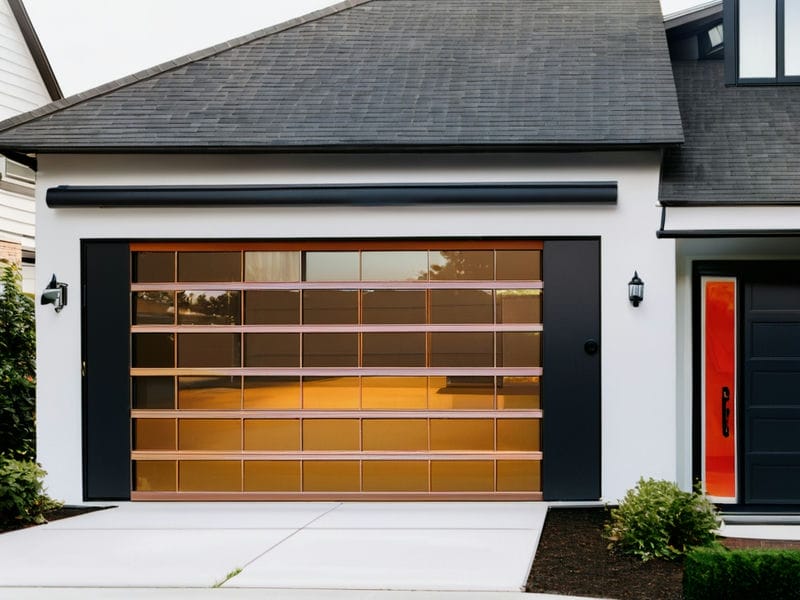
The Future of Home Entry: Smart Garage Doors Leading the Way
Posted by on 2024-05-13
The Emergence of Smart Garage Doors as a Key Entry Point
As we venture further into the 21st century, the concept of home entry has evolved dramatically. No longer are we confined to traditional locks and keys; instead, we are embracing a future where convenience, security, and technology converge to redefine our expectations. Among these innovations, smart garage doors have emerged as a pivotal entry point in modern homes.
Smart garage doors represent a significant leap forward from their manually-operated predecessors. With the advent of connected devices and the Internet of Things (IoT), they have become an integral component of the smart home ecosystem. These advanced portals offer homeowners unparalleled convenience and control over one of the largest access points to their abode.
One of the most striking features of smart garage doors is their ability to integrate with various platforms and devices. Through smartphone applications, owners can operate their garage doors remotely—whether they're sitting on the couch or miles away in another city. This remote access not only enhances convenience but also improves security by allowing users to open or close their garage door at any time, ensuring that it's never inadvertently left open.
Moreover, smart garage doors can be programmed to work in tandem with other smart home devices like cameras and motion sensors. This integration provides real-time alerts when activity is detected near the garage area, giving homeowners instant knowledge of any potential security breaches. It's also possible for these systems to automatically lock or unlock in response to specific triggers such as when your car approaches, streamlining your arrival and departure experience.
Another aspect that sets smart garage doors apart is their adaptability with voice-controlled assistants such as Amazon Alexa or Google Assistant. This hands-free operation adds another layer of convenience for individuals who might be carrying groceries or dealing with mobility issues—simply instructing your voice assistant can manage your entryway without lifting a finger.
Furthermore, some smart garage door models are equipped with sophisticated algorithms capable of learning users' habits over time. They may recognize patterns such as regular departure and return times, thereby predicting when you'll need services without manual input—a feature that paves the way for truly autonomous home management systems.
In terms of aesthetics and design options, these modern marvels have kept pace with contemporary tastes—offering sleek interfaces that blend seamlessly into various architectural styles while still providing robust durability necessary for an exterior barrier.
Yet despite all these advances in technology and user experience, concerns regarding cybersecurity loom large. As gateways into our personal lives become increasingly digitalized, they potentially expose us to new vulnerabilities; thus manufacturers must prioritize building robust security protocols into every device.
As we look toward a horizon filled with opportunities for smarter living spaces, it's clear that smart garage doors will continue to play a vital role at this junction between our digital aspirations and physical realities. Their emergence signifies more than just technological progression—it reflects our collective desire for homes that are safe yet effortlessly accessible sanctuaries tailored by convenience at every turn.
Technological Advancements in Smart Garage Door Features and Security
The advent of smart technology has revolutionized the concept of home entry, with the humble garage door being no exception. The future of home access points towards an ecosystem where convenience, security, and interconnectivity are seamlessly integrated into our daily lives. Smart garage doors are at the forefront of this innovation wave, offering homeowners unprecedented control over one of their most commonly used entryways.
Technological advancements in smart garage door features have transformed them from mere barriers to sophisticated gatekeepers that enhance both security and ease of use. These doors can now be operated remotely through smartphone apps, allowing for real-time control regardless of the homeowner's location. This remote accessibility not only provides a convenient way to let in family members or delivery personnel when you're away but also ensures that you never have to worry about whether you left the garage open after leaving home.
Security features have kept pace with these convenience upgrades. Encryption protocols for communication between devices ensure that signals sent to open or close the door cannot easily be intercepted by malicious entities. Moreover, some smart garage doors incorporate rolling code technology, which generates a new code with each operation, effectively nullifying any captured codes from unauthorized attempts to gain entry.
Integration is another key aspect of modern smart garage doors. They often come equipped with Wi-Fi or Bluetooth connectivity, enabling them to communicate with other smart devices in your home ecosystem. For instance, integration with home automation systems allows for scenarios where your lights turn on and your thermostat adjusts as soon as your car enters the garage – a welcome comfort upon arriving home.
In terms of safety features, obstacle detection sensors have become more advanced, reducing the risk of injury or damage by stopping the door if something or someone obstructs its path while closing. Additionally, cameras and two-way audio can be embedded into smart garage systems for added surveillance capabilities and interaction with visitors without opening the door – bolstering both security and convenience.
Advancements in energy efficiency reflect another dimension wherein smart garages contribute positively to household management. Insulated doors coupled with intelligent opening mechanisms optimize temperature control within homes and minimize unnecessary power expenditure.
Beyond operational enhancements lies potential growth in user interface design—ensuring that controls are intuitive for all family members—and further integration into broader networks such as community security systems or emergency services alert systems; envision a scenario where your garage acts as an additional sentinel during neighborhood watch efforts.
Looking ahead, artificial intelligence (AI) could take these advancements even further by learning homeowner patterns and preferences for automated scheduling or predictive maintenance alerts before mechanical issues arise—proactively safeguarding against unexpected failures that could compromise home security.
In conclusion, technological advancements in smart garage door features epitomize how innovative solutions can redefine everyday experiences at home—merging robust security measures with unparalleled convenience. As we move forward into an ever-connected future marked by intelligent living spaces tailored to our needs and habits, it’s clear: Smart garage doors aren't merely leading us into our homes; they're paving the way toward smarter lifestyles overall.
Integration with Home Automation Systems and the Internet of Things (IoT)
The concept of home entry has evolved significantly over the years, moving from traditional mechanical locks and keys to more advanced electronic systems. Today, we stand on the cusp of a new era where smart garage doors are at the forefront of this transformation. These modern marvels are not just about convenience; they represent a critical nodal point in the ever-growing network of connected devices known as the Internet of Things (IoT). As we embrace this future, integration with home automation systems becomes an essential feature that enhances security, efficiency, and lifestyle.
Imagine a world where your arrival home prompts a seamless concert of technology: your smart garage door recognizes your vehicle's presence through geofencing or an RFID tag and opens automatically. As it does so, it signals your home automation system to adjust lighting, climate control, and even play your favorite music before you step foot inside your house. This is no longer the stuff of science fiction; it's the reality that IoT and smart garage doors are ushering in.
Integration with home automation systems means that your smart garage door can communicate with other devices in your home network. Using platforms like Apple HomeKit, Google Assistant, Amazon Alexa, or proprietary ecosystems by various manufacturers, homeowners can create routines that are triggered by the action of opening or closing their garage door. For example, if you leave for work and close the garage door behind you, your smart thermostat can switch to energy-saving mode while also arming your security system.
Moreover, IoT adds another layer to this integration by allowing remote access and monitoring via smartphones and other devices. You no longer need to worry about leaving your garage open; a quick glance at an app reassures you that everything is secure. Notifications alert you when activity occurs around your garage door — whether expected or not — providing peace-of-mind wherever you are.
Increased connectivity also enables predictive maintenance for smart garage doors. By monitoring usage patterns and mechanical health indicators such as tension in springs or wear on rollers, IoT-enabled systems can alert homeowners about potential issues before they lead to breakdowns. This proactive approach ensures reliability and extends the life span of these intelligent entryways.
As we look towards a future dominated by smarter living spaces, data privacy and cybersecurity become paramount concerns when integrating any device into our homes' networks — especially those granting physical access like smart garage doors. It will be crucial for manufacturers to employ robust encryption methods and continuously update their software against emerging threats.
In conclusion, as part of our journey into smarter homes and interconnected environments driven by IoT advancements, smart garage doors showcase how thoughtful integration with home automation systems can offer unmatched convenience without compromising on security. They help set a standard for what consumers should expect from cutting-edge technology: devices that don't just serve isolated functions but work together seamlessly to enhance our daily lives safely and intuitively.
User Accessibility: Controlling Your Garage Door from Anywhere
The concept of home entry has evolved significantly over the years, and smart garage doors are at the forefront of this transformation. As we sail further into the 21st century, the term 'user accessibility' takes on new meaning, particularly in how homeowners interact with their living spaces. With innovative technologies integrated into our daily lives, controlling your garage door from anywhere is not just a convenience—it's a reflection of the future of home entry.
Imagine leaving for work in a hurry, only to second-guess whether you closed the garage door. In yesteryears, this would mean either worrying throughout the day or making a U-turn to check. Today, smart garage doors have alleviated such concerns by providing users with unprecedented control and peace of mind. User accessibility now transcends physical keys or standard remotes; it embodies an era where your smartphone becomes your most trusted gatekeeper.
Smart garage doors are equipped with Wi-Fi capabilities that enable them to connect to your home network and communicate with devices like smartphones or tablets. This connectivity is at the heart of user accessibility, allowing homeowners to open or close their garage doors using dedicated apps no matter where they are in the world. Whether you’re nestled comfortably on your couch or vacationing thousands of miles away, managing access to your home is literally at your fingertips.
This level of control extends beyond mere convenience; it enhances security as well. Smart garage doors can send alerts whenever they're operated, offering real-time monitoring that traditional systems lack. Users can receive instant notifications if someone attempts to gain unauthorized access, providing an additional layer of protection for their homes and loved ones.
Moreover, user accessibility through smart technology also offers customizable features such as scheduling when the door should automatically open or close—perfect for those who follow a routine and prefer not having one more thing to remember before stepping out. Integration with other smart home devices via platforms like Apple HomeKit, Google Assistant or Amazon Alexa means that controlling various aspects of your home environment becomes seamless and centralized.
Accessibility also caters to families and service providers who may require temporary access without compromising overall security. Virtual keys or guest permissions can be issued then revoked as needed without ever having to physically hand over a remote or change locks—a far cry from previous limitations associated with traditional garage door systems.
As we look towards an even more interconnected future where Artificial Intelligence (AI) could predict our needs before we even articulate them, user accessibility will continue evolving. We might see predictive analytics being employed wherein our habits inform our smart home systems when exactly we'll need that garage door opened as we approach our driveway—further reducing effort on our part while ensuring efficiency in everyday tasks.
In conclusion, user accessibility concerning smart garage doors epitomizes progress within residential living spaces: combining ease-of-use with advanced security features while paving the way for further innovations that promise not just smarter but safer homes too. As we embrace these advancements wholeheartedly, controlling your garage door from anywhere isn't merely convenient; it's emblematic of an age where technology empowers us in ways previously unimagined—all designed around creating sanctuaries that reflect our modern lifestyles yet remain fortified against evolving threats.
Predictive Maintenance and Self-Diagnostic Capabilities of Smart Garage Doors
The concept of home entry has undergone a revolutionary transformation with the advent of smart technology, and garage doors have been no exception to this trend. As we look towards the future, smart garage doors are poised to become an even more integral part of our connected homes, offering unparalleled convenience, security, and efficiency. Two key features that play a pivotal role in this evolution are predictive maintenance and self-diagnostic capabilities.
Predictive maintenance is essentially a forward-looking approach to equipment upkeep, utilizing data analysis tools and techniques to detect anomalies and potential defects before they result in failure. In the context of smart garage doors, this means sensors and software work together to monitor various aspects of the door's operation—such as opening speed, motor load, hinge resistance, or track alignment. By analyzing this data over time, the system can identify patterns that precede common issues like spring fatigue or motor malfunction.
Imagine receiving a notification on your smartphone informing you that your garage door torsion spring shows signs of wear and could fail within the next month. Such timely insights allow homeowners to proactively address problems before they're caught off-guard by a broken door on a busy morning.
Self-diagnostic capabilities complement predictive maintenance by enabling smart garage doors to perform routine checks on their own health status. This feature allows for real-time monitoring; if an issue arises during operation—for instance, an obstacle blocking the door's path or an electrical fault—the system will not only halt operation to prevent damage or injury but also provide immediate feedback regarding the nature of the problem.
This level of autonomy in troubleshooting empowers users with instant knowledge about their garage door's condition. Instead of puzzling over why their door won't close, homeowners can receive detailed error reports directly from their smart device app—or even better—have their smart garage system automatically schedule a service appointment with certified technicians.
Beyond individual benefits, these advancements have broader implications for product longevity and environmental sustainability. With predictive maintenance ensuring timely repairs and replacements are made before catastrophic failures occur, there's less waste generated from entire systems needing to be discarded prematurely. Additionally, manufacturers gain valuable insights into product performance that can drive improvements in design and materials used.
In conclusion, as we embrace the future where our homes are smarter than ever before—not merely places of dwelling but dynamic ecosystems responsive to our needs—smart garage doors equipped with predictive maintenance and self-diagnostic capabilities will lead the charge in redefining home entry. They promise not just convenience but also peace of mind knowing that one’s portal to safety at home is being monitored continually for optimal performance and reliability.
Privacy Concerns and Data Security in Connected Home Devices
The Future of Home Entry: Smart Garage Doors Leading the Way - Privacy Concerns and Data Security
As we step into a future where our homes become increasingly interconnected, smart garage doors stand as harbingers of convenience and innovation in home entry systems. These intelligent portals promise to redefine our interaction with our living spaces, offering remote access, real-time monitoring, and seamless integration with other smart home devices. However, alongside these advancements looms the specter of privacy concerns and data security challenges that must be navigated with caution.
Smart garage doors operate by connecting to a home's Wi-Fi network, allowing homeowners to open or close their garage door from virtually anywhere using a smartphone app. Some models integrate features such as voice commands through virtual assistants or automatic opening when a paired vehicle approaches. The allure is undeniable; such technology can enhance security by alerting owners of unauthorized access attempts while also providing the comfort of never again having to wonder if one has forgotten to close the garage door.
Yet, this connectivity opens up potential vulnerabilities. The very feature that enables convenience – internet connectivity – could also serve as an entry point for cyber threats. As these devices collect data on usage patterns and integrate with other smart systems in the home, they accumulate sensitive information that becomes attractive to hackers. A compromised garage door can provide physical access to a house or act as a gateway to gain unauthorized access to personal data.
To safeguard against these risks, manufacturers must prioritize robust encryption methods for data transmission and stringent authentication protocols for user access. Regular firmware updates are essential in addressing any identified security flaws swiftly before they can be exploited. Moreover, consumers need transparency regarding what data is collected and how it's used or shared.
Consumer awareness is equally crucial in mitigating privacy concerns and enhancing data security. Users should employ strong passwords, enable two-factor authentication where available, conduct due diligence on device security features before purchase, and regularly monitor their network activity for unusual behavior.
In conclusion, as smart garage doors lead the way towards more sophisticated home entry solutions, embracing both their potential benefits and inherent risks is vital. By fostering collaboration between manufacturers who focus on developing secure technologies and consumers who practice vigilant cyber hygiene habits, we can ensure that these innovative gateways offer not just smarter but safer homes for everyone.
Future Trends: AI, Machine Learning, and the Next Generation of Smart Garage Doors
The concept of a "smart home" has evolved from a futuristic vision to a common reality for many homeowners. As we look toward future trends, particularly within the domain of artificial intelligence (AI) and machine learning, it's clear that smart garage doors are poised to play an increasingly pivotal role in the evolution of home entry systems.
Smart garage doors have already made significant strides in providing convenience, security, and energy efficiency. These advanced portals can be operated remotely through smartphones, integrate with other smart home devices for seamless automation, and offer real-time alerts and monitoring to ensure the safety of both residents and their property.
As AI continues to mature, the next generation of smart garage doors is set to usher in an era where convenience merges with anticipatory service. Imagine a garage door equipped with sophisticated AI algorithms that learn from your daily routines. This system would not only open or close as you approach or leave but could predict when you're likely to return based on historical data – potentially interfacing with your car's navigation system or syncing with your digital calendar.
Machine learning will take predictive modeling a step further by enabling these systems to adjust dynamically to changes in behavior. For example, if you start carpooling with a neighbor on certain days, the system would recognize this new pattern over time and adapt accordingly without manual reprogramming.
Additionally, integration across various smart home ecosystems is expected to grow more profound. A truly intelligent garage door could communicate with your home's lighting system to illuminate your path into the house or trigger heating/cooling adjustments as soon as your vehicle enters the driveway.
Security features powered by AI will also become more robust. Advanced facial recognition could provide access control that allows family members in while keeping intruders out. Machine learning can help differentiate between normal activity around your garage door versus potential security threats – sending instant notifications if any unusual patterns are detected.
One cannot overlook sustainability when discussing future tech trends. Smart garage doors may incorporate solar panels or connect seamlessly with household renewable energy management systems ensuring they operate on green power while minimizing energy consumption even further through optimized opening cycles tailored around peak sunlight hours.
In conclusion, as we propel into an age where our homes become extensions of our digital lives, smart garage doors equipped with AI and machine learning technologies will no doubt be at the forefront of this transformation. They will not only redefine how we interact with one of the most fundamental aspects of our homes but also contribute significantly towards safer, smarter, and greener living spaces – making them an integral part of modern living where convenience is just the beginning.